A ship’s bell, corroded and barnacled after three centuries underwater, still carries the shape of the letters someone stamped into it before it ever touched the sea. Bells like that do not lie about what they were attached to, and this one belonged to a pirate. Sand shifts constantly along this stretch of coast, burying and uncovering wreckage in the same tides that have pounded these waters for three hundred years.
Cape Cod: The Whydah Gally’s Pirate Wreck
The wreck sits off Marconi Beach in Wellfleet, Massachusetts, along the outer arm of Cape Cod, where the Whydah Gally went down in 1717. The ship had been under the command of Sam Bellamy, and its loss placed it at the center of a story that few other American shipwrecks can claim: it is recognized as the only confirmed pirate wreck in the country, a distinction that separates it from wrecks merely rumored or suspected to have pirate connections. That single distinction, confirmed rather than merely rumored, changes the entire character of the story. Where most pirate-wreck legends rest on old rumor and wishful association, the Whydah Gally’s identity rests on evidence solid enough to satisfy professional historians and archaeologists, not just enthusiasts drawn to the romance of piracy.
That confirmed identity matters enormously to how the Whydah Gally is understood today. Plenty of ships have been linked to piracy through legend, speculation, or circumstantial association, but very few wrecks carry the kind of hard physical and documentary evidence needed to establish, without real doubt, that a specific vessel was a working pirate ship commanded by a specific historical figure. The Whydah Gally clears that bar, which is part of why its recovered artifacts carry a significance well beyond their material value. In a field crowded with romanticized pirate legends and unverified claims, a wreck that can actually be proven, rather than merely believed, to have been a pirate vessel stands apart from nearly everything else in American maritime history.
Cape Cod’s waters, exposed to Atlantic storms and shifting sandbars, are unforgiving to ships passing close to shore, and the Whydah Gally’s loss in 1717 fits into a long regional history of wrecks along this stretch of Massachusetts coastline. What sets this one apart from the many other wrecks scattered along the Cape is the specificity of what came down with it: a pirate captain, a working pirate vessel, and, eventually, physical proof strong enough to satisfy historians and archaeologists rather than only treasure-hunting legend. Cape Cod has claimed ships for as long as vessels have sailed close to its shores, and the outer beaches near Wellfleet in particular have a long, documented history of wrecks driven onto sandbars by Atlantic storms. The Whydah Gally is simply the one among all of them that carries a pirate captain’s name and a body of evidence to match. That documented history of wrecks along this coastline is part of what made confirming the Whydah Gally so demanding in the first place; separating one specific vessel’s remains from centuries of accumulated wreckage required more than a lucky find.

Confirming America’s Only Pirate Wreck
Recovering and confirming the Whydah Gally required more than simply locating wreckage off Wellfleet. Establishing that this particular set of remains truly belonged to Sam Bellamy’s pirate ship, rather than one of the many other vessels lost along Cape Cod’s dangerous waters over the centuries, demanded a level of documentary and physical evidence rare in shipwreck archaeology. That work is what elevated the Whydah Gally from a plausible pirate wreck to the confirmed one, a status it uniquely holds among American shipwrecks. Distinguishing one wreck from among the many scattered across a stretch of coastline as heavily traveled and storm-battered as Cape Cod is itself a considerable undertaking, requiring careful correlation between recovered material and the historical record of Bellamy’s ship specifically. That painstaking correlation work is, in its own way, as significant an achievement as the physical recovery of any single artifact.
The recovery of the Whydah Gally’s artifacts did not happen outside the law. Massachusetts regulates underwater archaeological work through its Underwater Archaeological Resources Act, passed in 1973, which allows the state’s Board of Underwater Archaeological Resources to permit recovery work in state waters and retain roughly a quarter of the material brought up. That framework governed how artifacts from this wreck could be legally recovered and studied rather than simply salvaged without oversight. A regulatory structure like that exists precisely because unregulated recovery of historically significant wrecks can destroy the very evidence needed to understand and confirm what was found, which is part of why the permitting process matters as much as the recovery itself.
The legal picture became more complicated in 1988, when a Massachusetts high court ruling held that federal admiralty and salvage law actually supersedes the state’s own sovereignty claim over the wreck itself. That ruling meant Massachusetts could not simply assert blanket ownership over the Whydah Gally by virtue of its location in state waters; federal maritime law governed the underlying salvage rights, even as the state’s permitting structure continued to regulate recovery activity. Barry Clifford’s team, the group most closely associated with the Whydah Gally’s recovery and identification, has operated under an exclusive, court-recognized federal salvage right, an arrangement that reflects both the state permitting system and the federal legal framework layered on top of it. That layered structure, state permitting alongside federal salvage rights, is not unique to the Whydah Gally, but this wreck stands as one of the clearer illustrations of how the two systems can coexist rather than simply conflict.
Accessing the Whydah Gally Today
The Whydah Gally site off Marconi Beach is not open ground for independent searchers. Recovery work here operates under Massachusetts’ state permitting system alongside the federal salvage right established through the courts, meaning any further work at the site requires both state authorization and standing under the recognized salvage claim. This is a regulated recovery operation, not a location where visitors can search or collect on their own. That dual layer of regulation, state permit and federal salvage right together, means access here is fundamentally different from a stretch of open beach where a visitor might legally comb the sand or shallows on their own.
For most people, the most realistic way to engage with the Whydah Gally’s story is through its recovered artifacts, which are displayed at the Whydah Pirate Museum in West Yarmouth, Massachusetts. The museum offers a way to see genuine, confirmed pirate-ship artifacts up close, studied and preserved under the same legal framework that governed their original recovery from the seafloor off Wellfleet. Seeing artifacts that have been through that full chain, legal recovery, historical confirmation, and public preservation, offers a different kind of connection to the story than simply reading about a wreck that remains underwater and out of reach.
The Legacy of the Whydah Gally
The Whydah Gally holds a singular place in American maritime history as the only shipwreck confirmed, beyond real doubt, to have been a working pirate vessel. For the treasure-hunting and salvage community, it represents a rare case where legend and verified fact fully align, backed by evidence solid enough to satisfy historians rather than resting on romanticized speculation. Its recovery also illustrates how state and federal law can layer together to govern a single wreck site, with Massachusetts’ permitting system and federal admiralty law both shaping who may work the site and how. The Whydah Gally’s artifacts, preserved and displayed for the public, keep that confirmed history accessible long after the ship itself disappeared beneath Cape Cod’s waters. Few wrecks in this hobby offer such a clean answer to the question every pirate-treasure searcher eventually asks: was this real? Here, for once, the answer is a confirmed yes.
Story Source: www.discoverpirates.com
Location: Off Marconi Beach, Wellfleet, MA; artifacts at Whydah Pirate Museum, West Yarmouth, MA
Site Status: Permission or permit required
Legal Conditions: This is a new Tier 2 finding: Massachusetts’ Underwater Archaeological Resources Act (1973) lets the state Board of Underwater Archaeological Resources (BUAR) permit and retain roughly 25% of material recovered from state waters, though a 1988 Massachusetts high court ruling held that federal admiralty/salvage law supersedes the state’s sovereignty claim over the wreck itself (Verified confidence). Barry Clifford’s team operates under an exclusive, court-recognized federal salvage right.
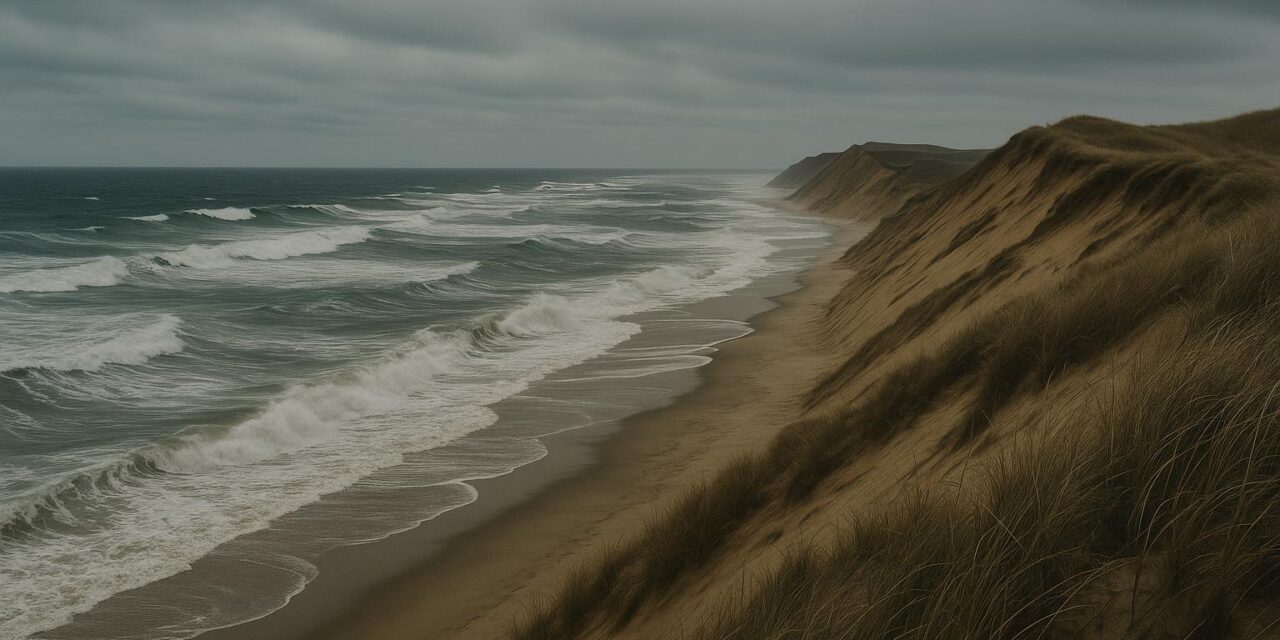
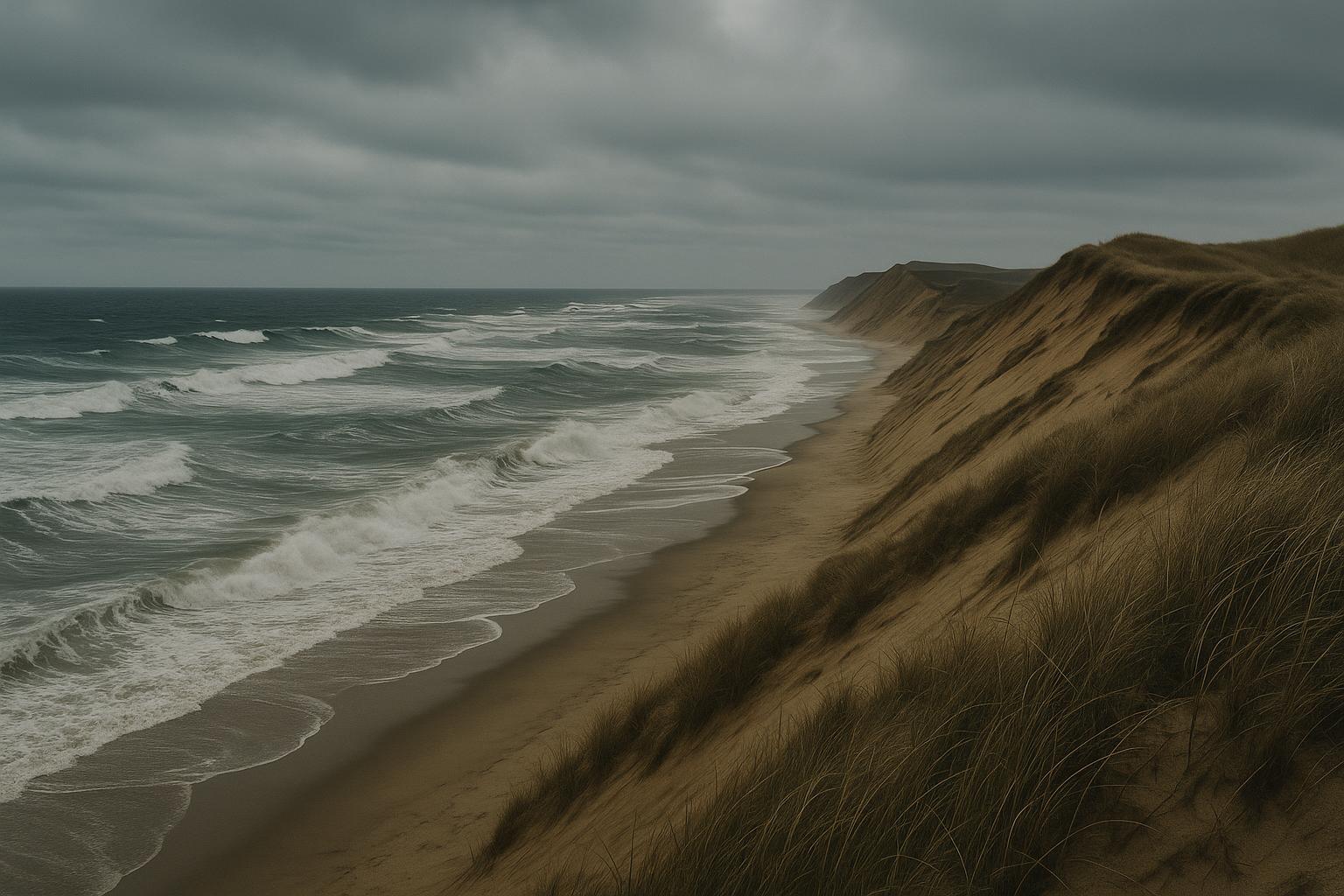
Hazards: Cape Cod National Seashore beaches near Wellfleet carry real hazards: strong rip currents, undertow, and shore break, worsened by no lifeguards on duty outside summer season. NPS issues seasonal shark advisories for this coast (a fatal shark bite occurred in Wellfleet in 2018); avoid swimming near seals and follow posted signage. Dune edges can collapse without warning. The wreck site itself lies offshore and is not open to unauthorized searching under the permit/salvage-right structure described in column V. No notable hazards apply to visiting the Whydah Pirate Museum in West Yarmouth.
Google Map
Firsthand Accounts
Underwater explorer Barry Clifford spent years cross-referencing Cyprian Southack’s 1717 survey records before his team located the wreck in 1984, buried under 10-50 feet of sand off Cape Cod.
Ken Kinkor served as research director for Clifford’s Maritime Explorations team, piecing together documentary evidence that helped confirm the wreck’s identity alongside the recovered ship’s bell.
Smithsonian curator Paul Johnston publicly voiced skepticism of Clifford’s 2016 claim to have found the bulk of the ship’s treasure, noting Clifford’s history of disputed prior finds, per WBUR’s 2016 reporting.
Divers on Clifford’s team recovered the ship’s bell in 1985, inscribed “THE WHYDAH GALLY 1716,” providing the physical confirmation that makes Whydah the only fully authenticated Golden Age pirate shipwreck ever found.
Welsh shipwright Thomas Davis, 22, one of nine crew who survived the wreck, testified at his October 1717 Boston piracy trial that he had been forced aboard the Whydah and repeatedly asked Bellamy for release; he was acquitted while six shipmates were hanged that November.