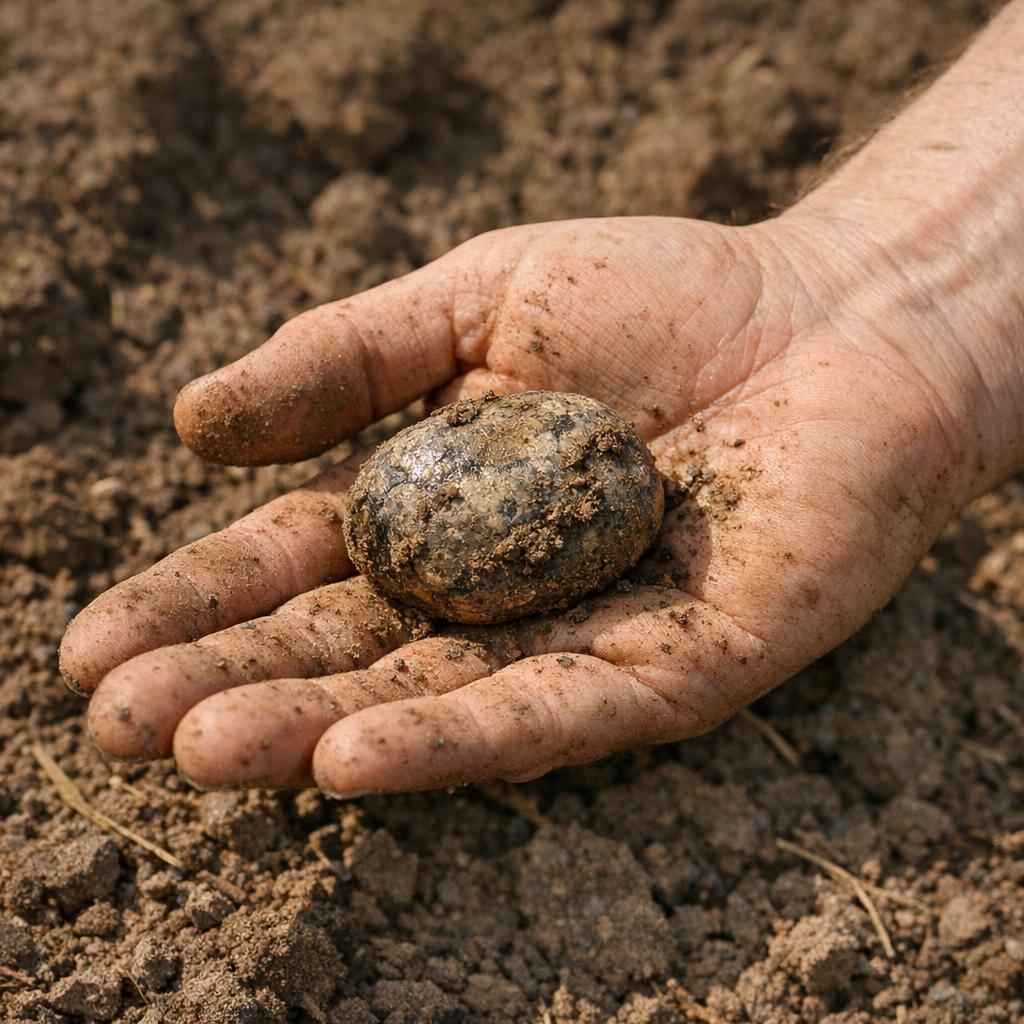
A small brown stone sits in the palm of a hand, unremarkable at first glance, just another pebble pulled from freshly turned earth. Except this particular patch of dirt used to be the throat of a volcano, and stones that come out of ground like this sometimes turn out to be diamonds. There’s no way to know for certain standing in the field, not without a closer look than the naked eye can manage. That uncertainty is the entire point of being here.
Crater of Diamonds: Arkansas’s Volcanic Diamond Field
Crater of Diamonds State Park sits near Murfreesboro, Arkansas, on ground that holds a genuinely singular distinction: it’s the only diamond-bearing site anywhere in the world where the public can search the original volcanic deposit itself. Nearly every other diamond mine on Earth, wherever it operates, restricts access to trained employees working industrial extraction operations. This one instead opens the actual volcanic field to anyone willing to pay a modest admission fee and start digging.
That distinction matters enormously to anyone serious about the prospecting and treasure-hunting world. Diamonds form under specific volcanic conditions deep in the earth, and the geological pipe that brought this particular deposit to the surface in Arkansas is the same kind of formation that produces diamonds at industrial mining operations elsewhere. What makes this site different isn’t the geology, which is genuinely comparable to commercial diamond deposits, but the fact that the state of Arkansas has chosen to operate the site as a public park rather than sealing it off as a private industrial claim. That choice, treating a genuine diamond-bearing volcanic pipe as public recreational land rather than a fenced-off industrial resource, runs directly against how virtually every other diamond deposit on the planet gets managed. Commercial diamond operations elsewhere exist specifically to extract maximum value from their deposits using industrial equipment and controlled access, protecting the resource from exactly the kind of open public digging that defines Crater of Diamonds. Arkansas took the opposite approach entirely, and that single policy decision is what makes the park’s existence remarkable rather than the underlying geology alone, which, on its own, is simply one volcanic diamond pipe among the relatively small number known to exist worldwide.
The Only Public Volcanic Diamond Field on Earth
The core appeal of Crater of Diamonds isn’t a single discovery or historical event so much as the ongoing, ordinary fact of the park’s ownership structure and access policy. Unlike the overwhelming majority of pay-to-dig operations in this hobby, which run as private commercial businesses on privately owned land charging admission specifically to turn a profit from visitor traffic, Crater of Diamonds is an Arkansas State Park, publicly owned and operated as a matter of state policy rather than private enterprise.
That public ownership comes with a specific, explicitly stated rule: any rock or mineral a visitor finds while searching the park’s 37.5-acre plowed field, diamond or otherwise, belongs to that visitor to keep. There is no landowner claim, no value cap, and no separate negotiation process for an exceptional find. A visitor who happens to turn up a genuine diamond keeps it under exactly the same policy that governs an ordinary quartz pebble or piece of jasper, a remarkably simple rule for a site searching for one of the most valuable minerals on earth. It’s worth sitting with how unusual that policy actually is once the stakes are considered. Most valuable-resource sites, whether privately or publicly owned, build in some mechanism for the owner to capture unusual value, a royalty, a buyback right, a size or value threshold above which the state or landowner steps in. Arkansas has deliberately built none of that into Crater of Diamonds. The policy treats a multi-carat diamond exactly the same as a handful of ordinary quartz, a level of consistency that a state government could easily have chosen not to extend to its single most valuable natural resource, and chose to extend anyway.
Admission to the park is a modest daily fee, with no additional permit required beyond that payment. Visitors can rent basic digging tools on-site rather than needing to bring specialized equipment of their own, which lowers the practical barrier to a serious search considerably. The park does maintain real restrictions on equipment, however: no ladders and no motorized or battery-powered digging equipment are allowed anywhere in the search area. Those restrictions exist specifically to keep the dig fair and manageable across the full plowed field, preventing any single visitor from using heavy or powered equipment to search disproportionately more ground than someone working by hand. Those specific restrictions, no ladders, no motorized or battery-powered digging equipment, are worth understanding as a deliberate fairness mechanism rather than an arbitrary rule. Without it, a visitor able to afford or bring in powered digging equipment could search vastly more ground per visit than someone working with hand tools, effectively converting the park’s egalitarian, keep-what-you-find policy into something that favored whoever showed up with the most capable machinery. Restricting the dig to hand tools and rented equipment keeps the search genuinely comparable across visitors regardless of what they can afford to bring, preserving the same basic opportunity for a casual first-time visitor as for someone who has made the trip many times before.
Visiting Crater of Diamonds Today
Crater of Diamonds is open to the public by design, and visiting requires nothing more than paying the park’s standard admission fee. No special permit, no advance application, and no separate legal process stands between a visitor and a genuine search through the original volcanic deposit. Tools can be rented on-site, meaning a visitor doesn’t need any prior equipment or specialized preparation to start searching the field seriously.
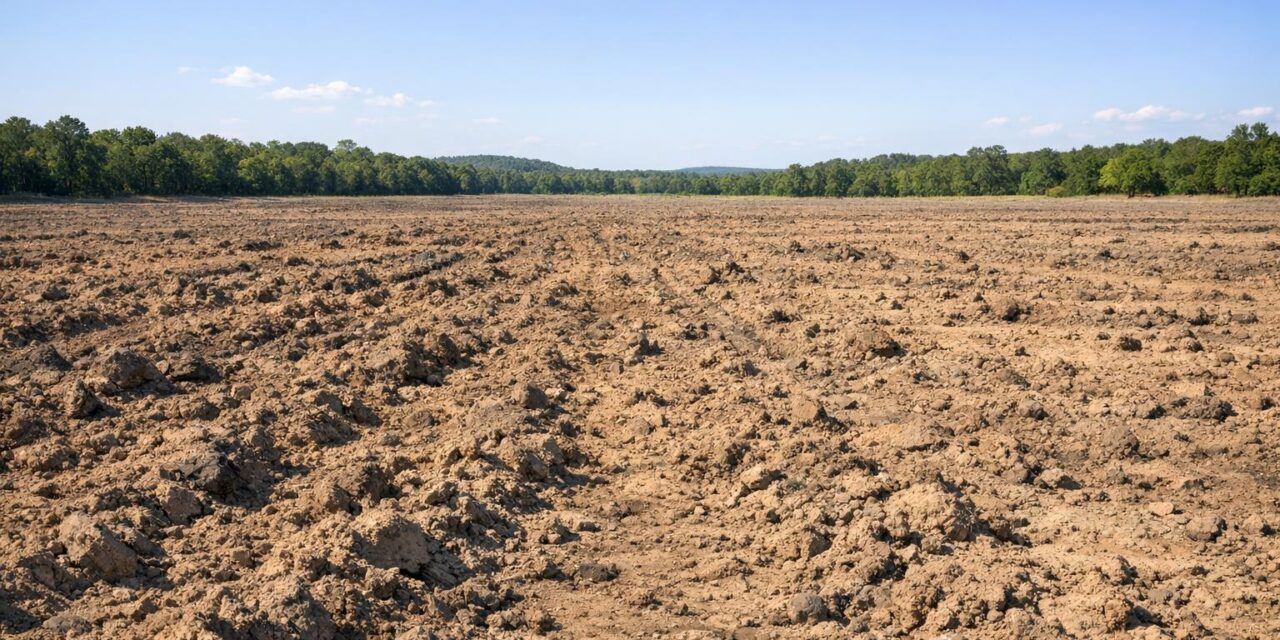
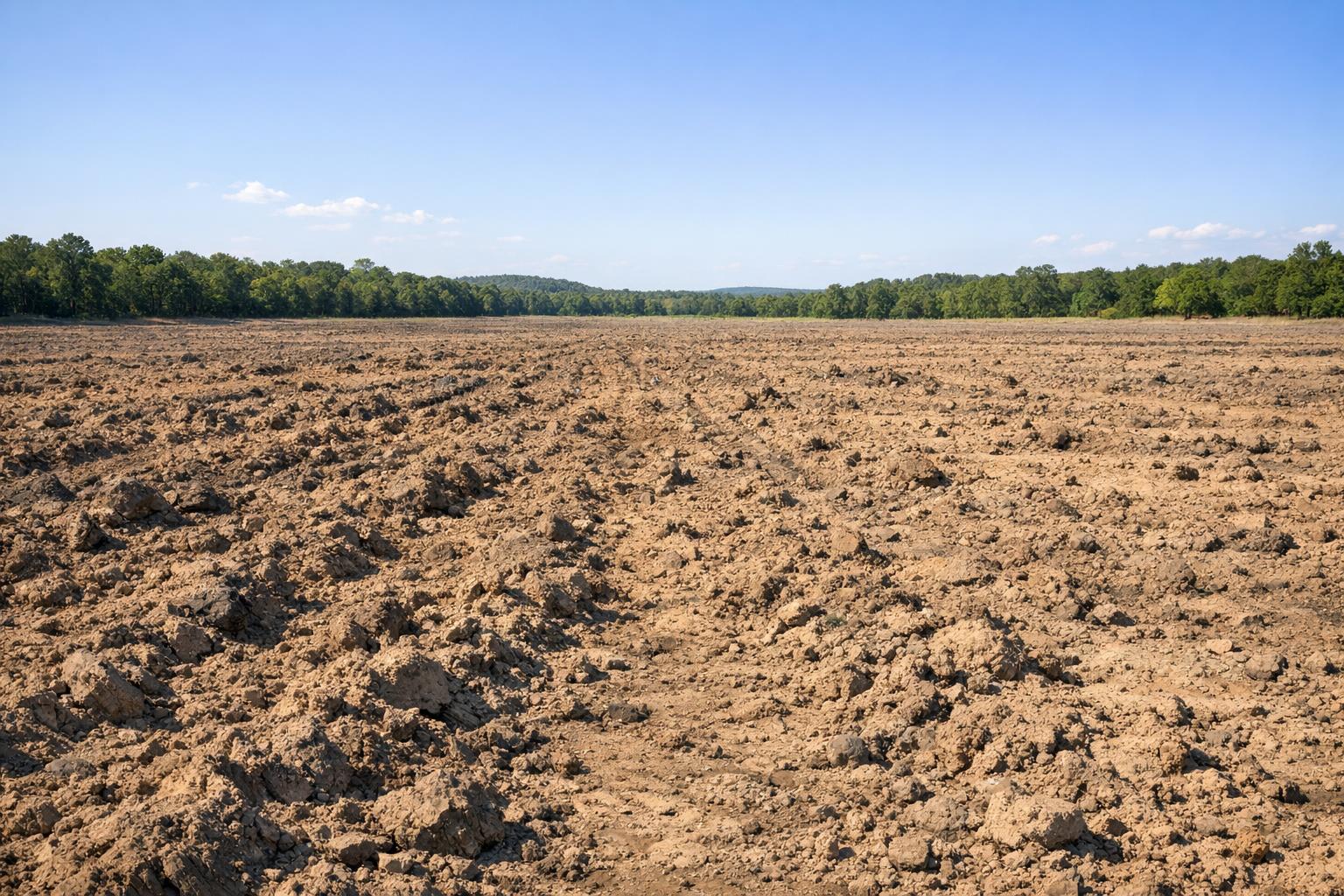
That said, the physical conditions here are genuinely demanding. The search area is a 37.5-acre open plowed field with very little shade, and Arkansas summers bring real, sustained heat that makes a long day searching the field considerably more taxing than it might first appear. Visitors should plan accordingly, with water, sun protection, and realistic expectations about the physical toll of hours spent working an exposed field under direct sun. The scale of the field itself is also worth appreciating on its own terms: 37.5 acres is a genuinely large area to search by hand, meaning a single visit realistically covers only a small fraction of the total ground, and different sections of the field can be productive at different times depending on recent weather, since rain tends to expose material that had previously been buried under looser surface soil.
The Legacy of Crater of Diamonds
Crater of Diamonds holds a genuinely unique place in the world of prospecting and treasure hunting: the only site on the entire planet where an ordinary visitor can walk into an actual volcanic diamond deposit, dig by hand, and keep any diamond they happen to find, with no value cap and no special claim standing in the way. For anyone serious about this hobby, that combination, real volcanic geology, a real chance at a real diamond, and a state policy that treats every find as the finder’s own, makes the park worth understanding as something genuinely rare rather than just another pay-to-dig stop. It’s one of the very few places on Earth where the phrase “you could actually find a diamond here” is not an exaggeration but a literal, geologically accurate description of what’s possible in that field. That combination of genuine rarity and genuine accessibility is worth appreciating for exactly what it represents: a state government’s deliberate choice to treat one of the world’s few public volcanic diamond deposits as shared ground rather than a resource to be fenced off and controlled.
Story Source: www.arkansas.com
Location: Crater of Diamonds State Park, 209 State Park Rd, Murfreesboro, AR 71958
Site Status: Open to public collecting
Legal Conditions: Matches the Tier 1 U.S. federal default for Pay-to-Dig Gem Mines, though unusually this site is publicly owned rather than a private commercial operation: it is an Arkansas State Park, and state policy explicitly states that any rock or mineral a visitor finds — diamond or otherwise — is theirs to keep. Admission is a modest daily fee (no permit beyond that), tools may be rented on-site, and no ladders or motorized/battery-powered digging equipment are allowed. This is the only diamond-bearing site anywhere in the world where the public can search the original volcanic deposit itself.
Hazards: Extreme heat/cold/exposure (37.5-acre open plowed field with little shade, hot Arkansas summers)
Google Map
Firsthand Accounts
Farmer John Wesley Huddleston discovered the first diamonds in Arkansas in August 1906 on the 160-acre farm he had just purchased near Murfreesboro, picking up two unusual stones he couldn’t identify. His find touched off a diamond rush that put Pike County on the map.
Little Rock jeweler Charles S. Stifft examined Huddleston’s stones and confirmed they were genuine diamonds — a blue-white stone of about 2-5/8 carats and a smaller one of about 1-3/8 carats — turning a farmer’s curiosity into a verified discovery almost overnight.
In 1990, visitor Shirley Strawn found a 3.09-carat rough diamond on the site that was later cut to 1.09 carats and graded a perfect flawless stone by the American Gem Society — the Strawn-Wagner Diamond remains the only diamond ever graded a perfect 0/0/0 by the AGS.
In 2015, Colorado visitor Bobbie Oskarson found an 8.52-carat white diamond, later named the Esperanza, one of the largest diamonds ever recovered at the park — the state commemorated the find with a replica for the park’s 50th anniversary in 2022.