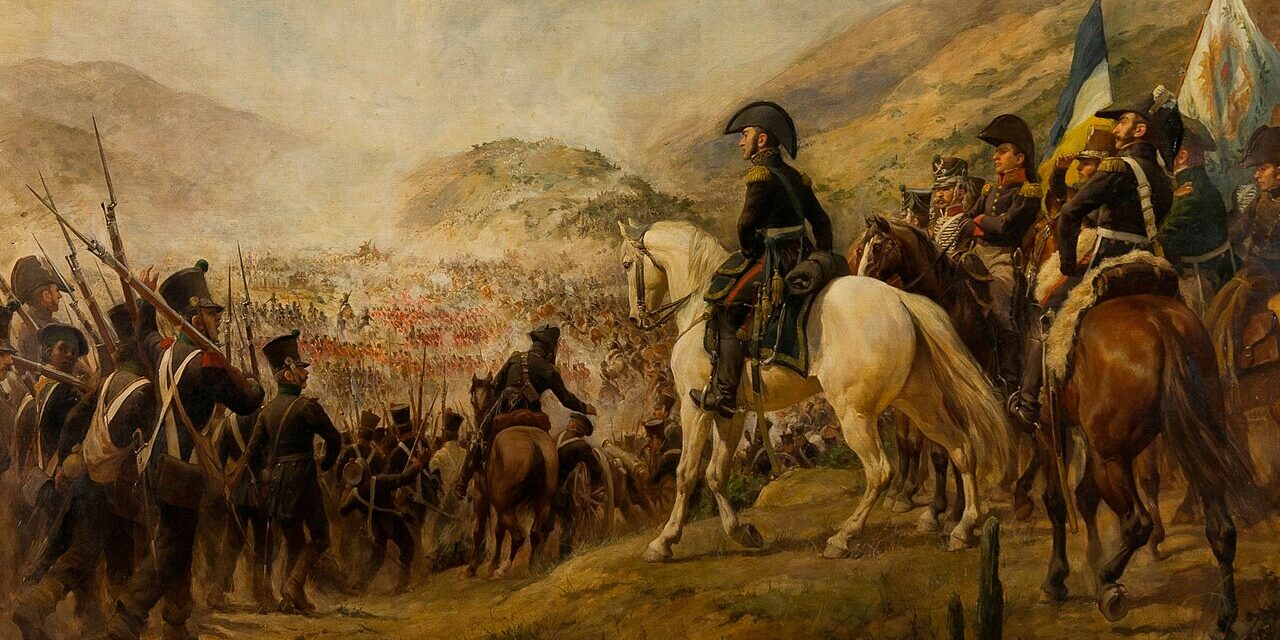
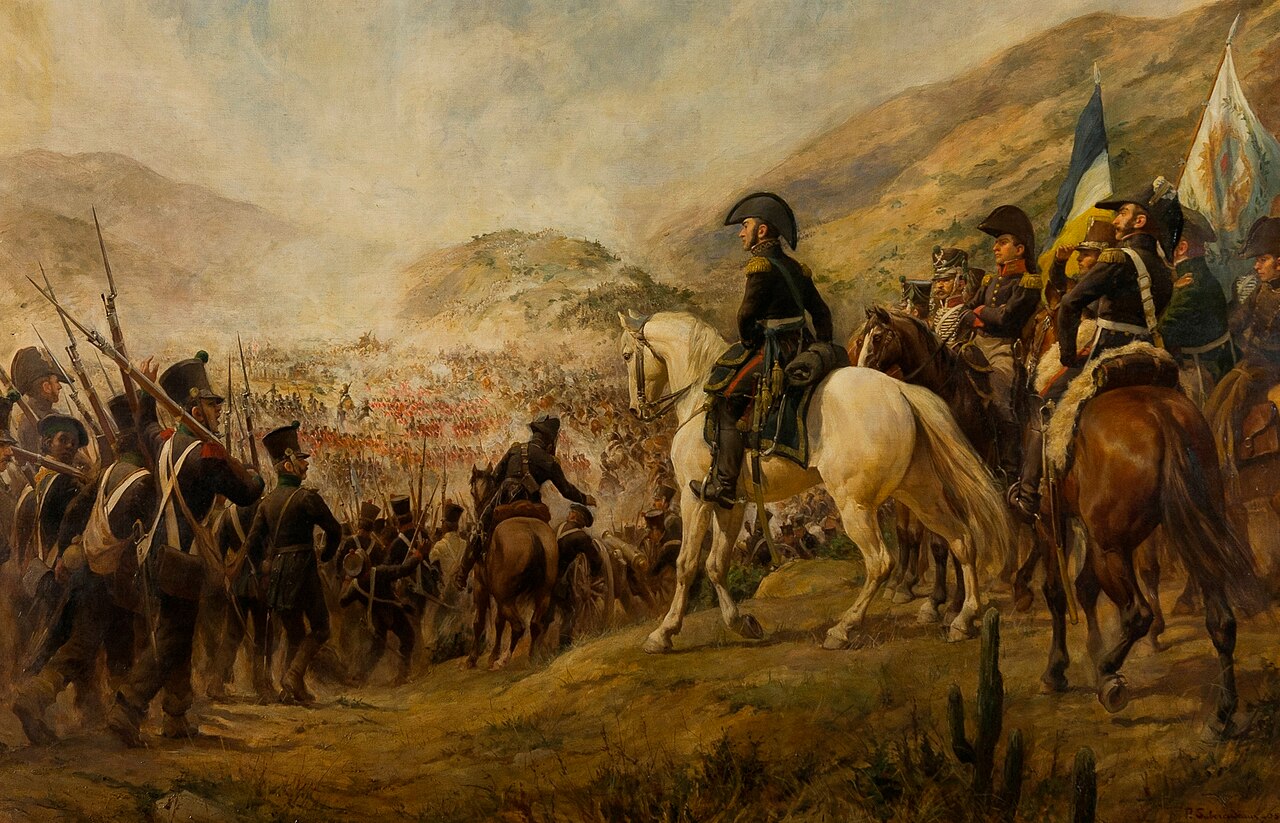
On the night before the Battle of Chacabuco, a seventeen-year-old grenadier named Manuel de Olazábal stood guard duty and found himself face to face with the general who commanded the army’s fate. José de San Martín, walking the lines in the darkness, spoke to the young soldier directly, sharing words the teenager would carry in memory for the rest of his life and later set down in a memoir that remains one of the most vivid firsthand windows into the eve of one of South America’s most consequential battles. Within hours, that same army would shatter a royalist force on the plains below and open the road to Santiago, setting Chile irrevocably on the path to independence from Spain.
Chacabuco: The Road to Battle
By January 1817, José de San Martín had spent nearly two years assembling and training the Army of the Andes at Mendoza, Argentina, a force built in secret and in painstaking detail for a single audacious purpose: crossing the Andes Mountains to liberate Chile from royalist Spanish rule. The crossing itself, launched that January, ranks among the most demanding logistical feats of the entire independence era, with thousands of soldiers, mules, and artillery pieces forced over multiple high mountain passes exceeding 12,000 feet in elevation, enduring subfreezing nights, thin air, and treacherous terrain that claimed lives and pack animals long before the army ever engaged a Spanish soldier. San Martín divided his forces to cross via several passes simultaneously, most prominently the Los Patos and Uspallata routes, a deliberate strategy meant to confuse royalist defenders about where the main thrust would emerge and to prevent any single force from blocking the entire army’s descent into Chile. The two columns, separated by days of grueling mountain travel and unable to communicate reliably across such difficult terrain, were expected to reunite on schedule in Chilean territory, a coordination challenge that added enormous risk to an already punishing undertaking.
Among the officers making that crossing was Bernardo O’Higgins, a Chilean-born revolutionary who had already spent years fighting and losing against royalist forces within his own homeland, and who now commanded a division under San Martín’s overall command as the reunited patriot force descended from the mountains into the fertile valleys north of Santiago. By early February, San Martín’s army had regrouped in Chilean territory, and royalist commander Rafael Maroto moved to intercept the invading force before it could reach the capital, setting the stage for a confrontation on the open plains near the Chacabuco hacienda. The young grenadier Manuel de Olazábal, only seventeen years old, stood among the ranks on guard duty in the tense hours before the fighting began, later recording in his own memoir the direct words San Martín shared with him as the army prepared for what all involved understood would be a decisive test of the entire campaign.
The Battle of Chacabuco
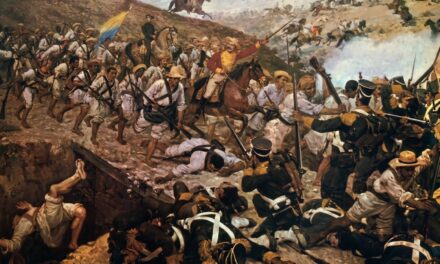
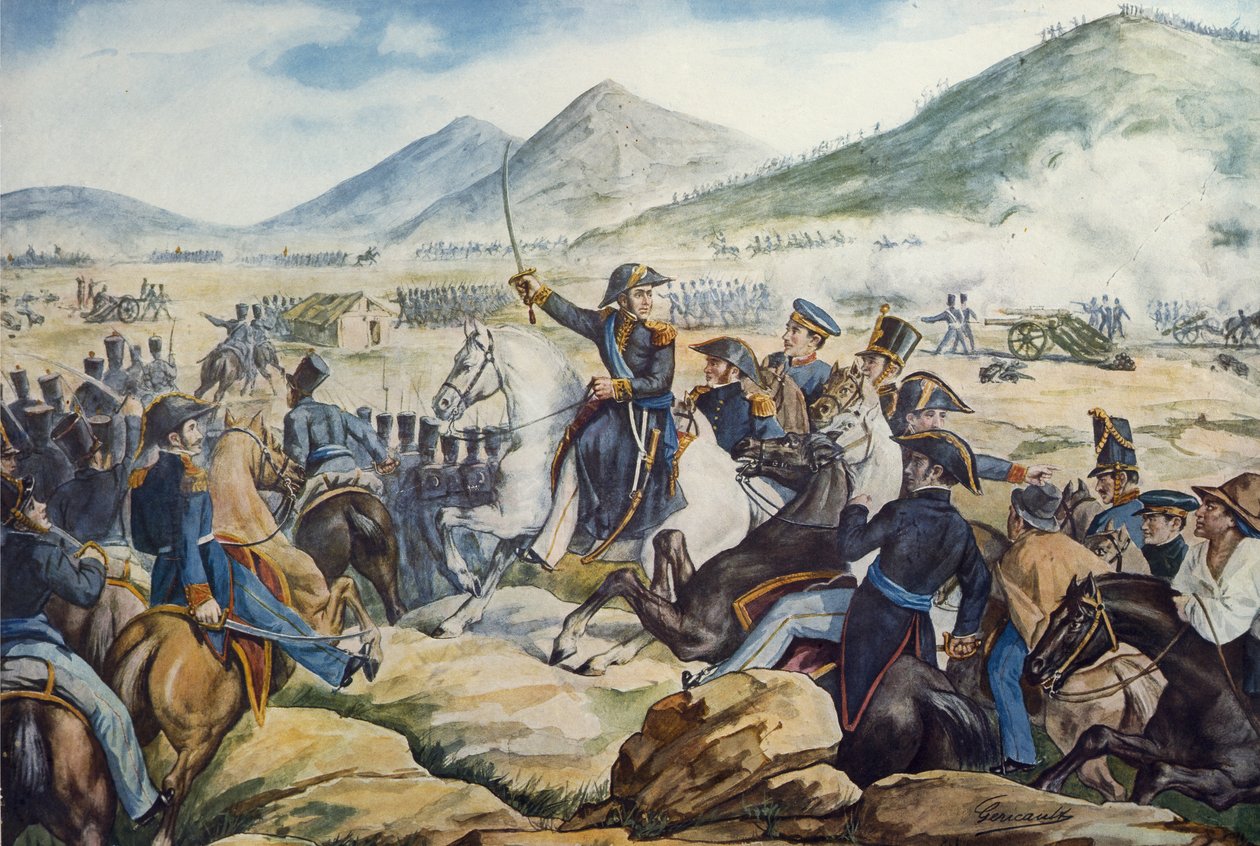
On February 12, 1817, San Martín’s Army of the Andes engaged Maroto’s royalist force on the plains of Chacabuco in a battle whose outcome would determine the fate of the entire Chilean independence movement in a single afternoon. San Martín’s plan called for a coordinated two-pronged assault, with Bernardo O’Higgins commanding the left, vanguard division and a second column under Miguel Estanislao Soler advancing to strike the royalist position from another direction, a maneuver designed to overwhelm Maroto’s defenders before they could consolidate. O’Higgins, however, launched his division’s charge earlier than San Martín’s overall plan called for, a decision that has fueled more than two centuries of historiographic debate among Chilean and Argentine historians over whether his advance was a premature, unauthorized gamble or a shrewd tactical response to conditions on the ground that San Martín himself later endorsed. Whatever its origin, O’Higgins’s charge struck the royalist line with immediate force, and though the early fighting proved costly and uncertain, San Martín’s reserves and Soler’s flanking column arrived in time to press the advantage and prevent the isolated vanguard from being overwhelmed.
The royalist force under Maroto, caught between the converging patriot columns and unable to organize a coherent defense against attacks from multiple directions, collapsed within hours, suffering heavy casualties and losing large numbers of prisoners as the survivors fled in disarray toward the south. San Martín’s own battlefield dispatch, written that same day and rushed to Buenos Aires by officers Manuel Escalada and Toribio de Luzuriaga, declared with characteristic bluntness that the royalist army “has just been destroyed on the plains of Chacabuco,” a message that electrified patriot leadership across the Río de la Plata region. The scale and speed of the victory stunned observers on both sides, transforming what military planners had expected to be a grinding campaign for control of Chile into a single decisive engagement that shattered royalist military capacity in the central valley almost overnight. Patriot casualties, while not insignificant, fell far short of what a prolonged siege or extended campaign for the capital would have cost, a fact San Martín himself later credited to the sheer audacity of the two-column plan despite O’Higgins’s early deviation from it. The battle also demonstrated the value of the grueling Andes crossing itself: by achieving near-total surprise, San Martín had denied Maroto the time to gather reinforcements from Santiago or organize a defense in depth, converting a punishing logistical gamble into a decisive tactical advantage.
Patriot forces captured substantial quantities of royalist artillery, muskets, and supplies in the aftermath, materiel that would prove valuable in equipping the army for the remaining campaigns still needed to secure Chilean independence permanently. Maroto himself managed to escape southward with a remnant of his shattered command, but the royalist governor in Santiago, lacking any force capable of defending the capital, fled the city rather than face the advancing patriot army. With Maroto’s main army destroyed and no meaningful royalist force remaining to defend the capital, the road to Santiago lay open, and patriot forces entered the city within days to a population eager to see the last vestiges of royalist authority swept away after years of contested rule.
The Legacy of Chacabuco
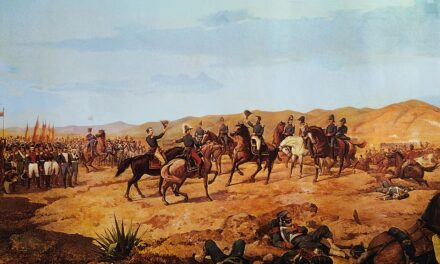
The victory at Chacabuco effectively ended royalist control over central Chile and cleared the way for Bernardo O’Higgins to be proclaimed Supreme Director of the newly liberated territory, a position from which he would formally declare Chilean independence the following year. Though a royalist counteroffensive briefly threatened the gains at the Battle of Cancha Rayada in 1818, San Martín and O’Higgins’s decisive victory at Maipú later that year secured Chilean independence permanently, completing the campaign that Chacabuco had made possible. The battle remains a foundational moment in both Chilean and Argentine national memory, commemorated as the decisive turning point in the Army of the Andes’s campaign to liberate Chile from three centuries of Spanish colonial rule, and it stands alongside San Martín’s later campaigns into Peru as one of the defining achievements of his career as South America’s foremost liberator.
Visiting the Chacabuco Monument
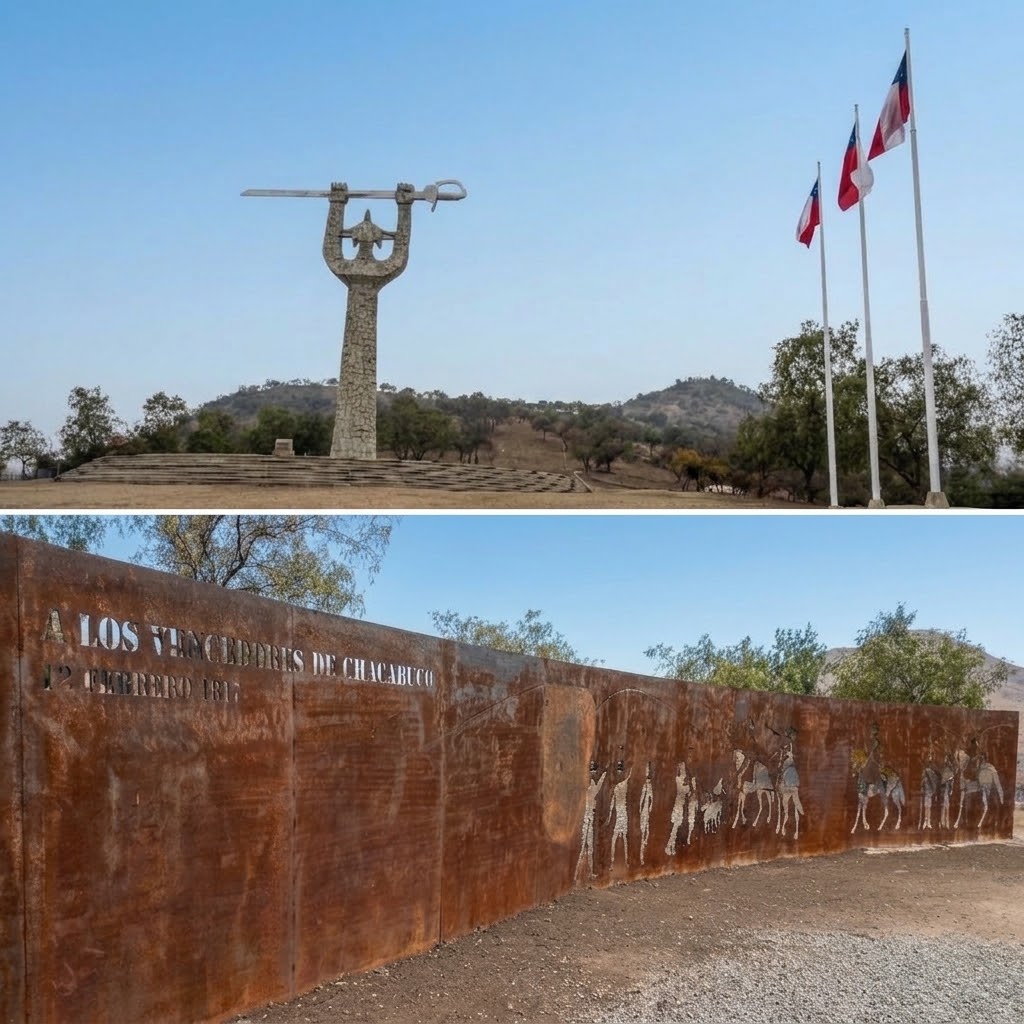
The Chacabuco battlefield is preserved today not as a formal park with a museum but as an open-air monument site: a freestanding stone obelisk bearing bronze commemorative plaques honoring the Army of the Andes and O’Higgins’s division, standing in a small plaza along the highway toward Los Andes in Colina municipality. The monument forms part of Colina’s self-guided “Route of the Four Landmarks of Chacabuco,” which also includes the historic Hacienda de Chacabuco, a separate monolith honoring O’Higgins, and a hilltop viewpoint overlooking the plains where the battle was fought. There are no formal opening hours, ticketing, or admission fees at the obelisk itself, making it freely accessible to travelers passing through the region at any time.
The nearest town is Colina, with Santiago roughly 35 to 40 kilometers to the south, a drive of about 45 minutes to an hour depending on traffic, making the site a feasible half-day excursion from the Chilean capital. A visit to the obelisk alone typically takes just 15 to 30 minutes, though travelers interested in touring all four landmarks along the route should budget additional time to see the hacienda, the O’Higgins monolith, and the viewpoint. Each year on February 12, the anniversary of the battle, the site hosts annual commemorations drawing Chilean military and civic observances to mark the victory that opened the road to national independence. Because the site has no indoor exhibits or staffed visitor center, travelers hoping for deeper historical context are generally better served by pairing the obelisk with the nearby hacienda and viewpoint, or with Santiago’s own national history museums, rather than expecting an on-site interpretive experience.
Remembrance of Chacabuco
José de San Martín’s own battlefield dispatch, written the day of the victory and carried to Buenos Aires by officers Manuel Escalada and Toribio de Luzuriaga, remains the most immediate firsthand record of the battle’s outcome, preserved in Bartolomé Mitre’s landmark Historia de San Martín y de la emancipación sudamericana. Manuel de Olazábal, the seventeen-year-old grenadier who stood guard before the battle and personally heard San Martín’s words on the eve of the fighting, left a memoir account that historians have drawn on for generations to reconstruct the human dimension of the army’s final hours before Chacabuco. Bernardo O’Higgins’s own correspondence defending the timing of his vanguard’s charge, preserved in Diego Barros Arana’s comprehensive Historia General de Chile, continues to anchor the long-running historiographic debate over one of the most consequential tactical decisions of the entire South American independence era. Together, these accounts, a commander’s triumphant dispatch, a young soldier’s personal memory, and a controversial general’s own defense of his actions, preserve Chacabuco as both a military turning point and a moment still argued over by historians more than two centuries later, a rare case where the eyewitness record itself remains as contested as the battle it describes.
Further Exploration: Film titled “Revolución: El Cruce de los Andes” (dir. Leandro Ipiña, 2010)
Location: Monumento a la Victoria de Chacabuco, Autopista Los Libertadores, Colina, Región Metropolitana, Chile
Site Status: Marker or Monument Only
Visitation Notes: This is an open-air monument site rather than a managed park with a museum: a freestanding obelisk monument with commemorative plaques honoring the Army of the Andes and O’Higgins’s division, set in a small plaza along the highway toward Los Andes. It’s part of Colina municipality’s “Route of the Four Landmarks of Chacabuco,” which also includes the Hacienda de Chacabuco, an O’Higgins monolith, and a hilltop viewpoint. There are no formal opening hours, ticketing, or admission fee — it’s freely accessible. The nearest town is Colina, with Santiago about 35–40 km (45–60 minutes) south. A typical visit is brief, 15–30 minutes, longer if touring all four landmarks. Annual commemorations are held here each February 12.
Google Map
Visitor Comments
Patrick Skywalker called it a beautiful and grand monument commemorating the 1817 victory at Chacabuco by the patriots over the Spanish royalists, noting the monument was inaugurated in 1968 and that Chile’s independence followed the year after the battle.
— from Google Reviews
Camilo Manriquez, returning as an adult after first visiting as a child, said the site is well maintained with beautiful viewpoints, concrete benches, restrooms, and free admission, and highly recommended it.
— from Google Reviews
Claudio Alberto said it’s well worth stopping to learn about the history of Chile’s liberation, praising the viewpoint, and recommended continuing a bit further along the highway for a view of Mount Aconcagua, the highest peak in the Andes.
— from Google Reviews