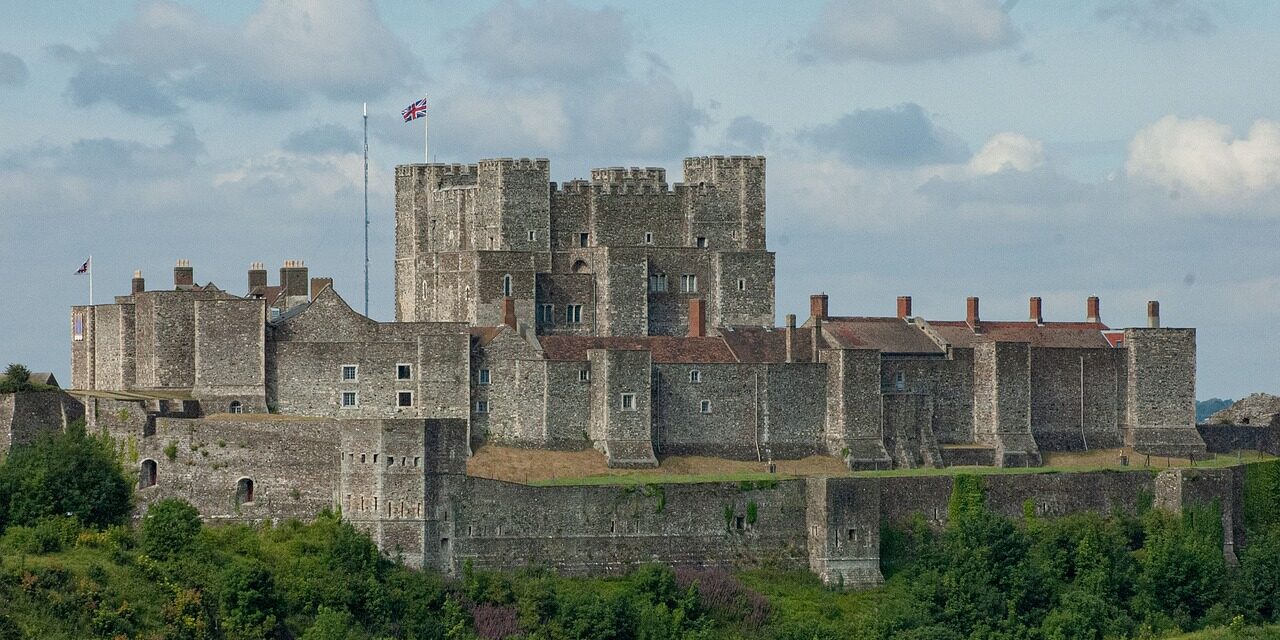
In October 1216, a nine-year-old boy became King of England while a French prince’s army battered the walls of the one castle standing between him and the loss of his crown. Henry III had no soldiers of his own reputation to draw on, no battlefield record, nothing but a regency council and the loyalty of men like Hubert de Burgh, the Justiciar of England, who held Dover Castle with a garrison of roughly 140 knights against a siege that would decide whether the boy-king’s dynasty survived its first year. The stakes of a single fortress had rarely been so absolute: if Dover fell, Prince Louis of France stood poised to secure the throne he had already been proclaimed to hold by rebel barons, and the Angevin line might have ended before its youngest heir ever wore the crown in more than name.
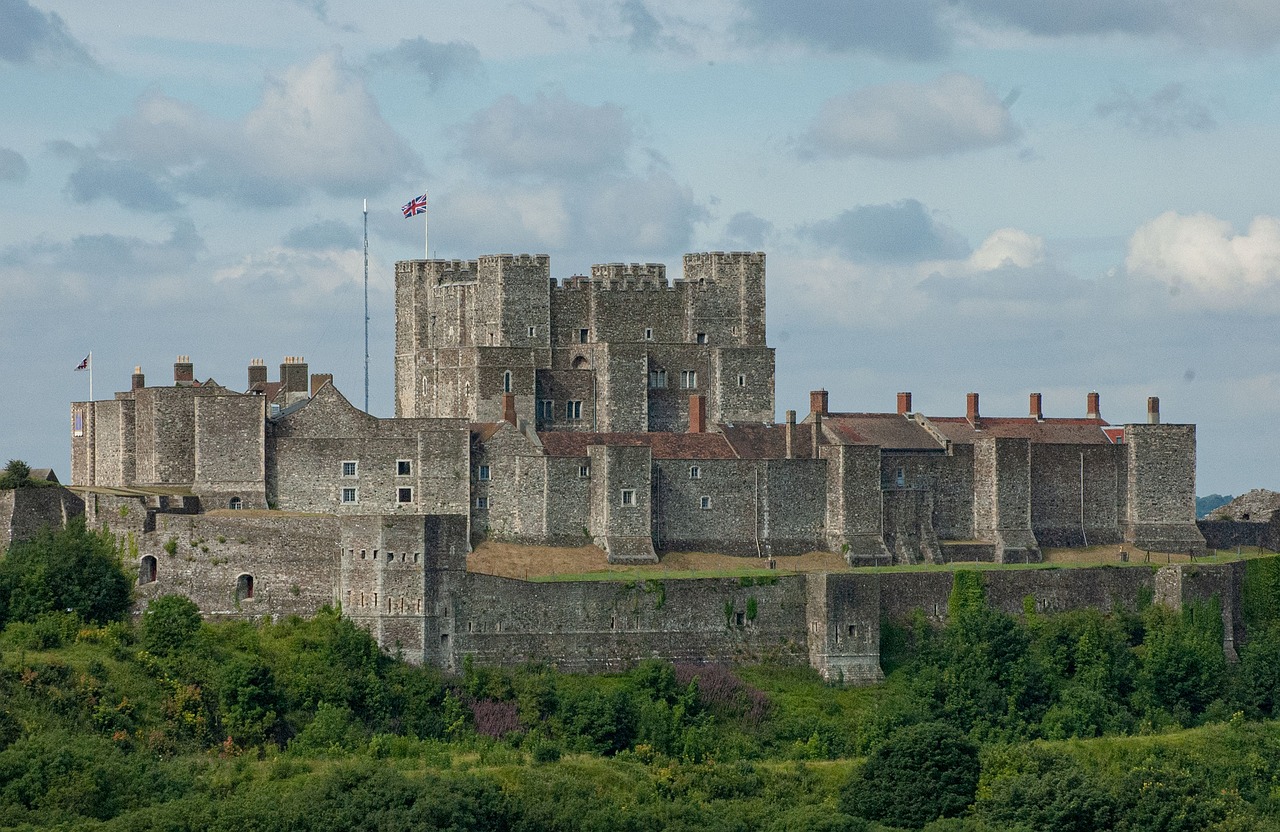
Dover Castle: The Road to Battle
By 1216, King John’s reign had collapsed into open civil war, as rebellious barons, furious over his broken promises following Magna Carta the year before, invited Prince Louis of France to cross the Channel and claim the English throne for himself. Louis landed in Kent in May 1216 with substantial French forces and rebel baronial support, quickly seizing London and much of southeastern England, leaving Dover Castle, perched on its commanding chalk cliffs above the narrowest crossing of the Channel, as one of the last major royal strongholds still resisting his advance. King John died suddenly in October 1216, leaving the throne to his young son Henry III, a change in circumstances that transformed Dover from merely a strategic obstacle into a symbol of whether the Angevin dynasty itself could survive the crisis.
Hubert de Burgh, already serving as Justiciar of England and constable of Dover Castle, refused Louis’s demands to surrender the fortress, understanding that the castle’s massive Norman Great Tower and formidable outer defenses gave his roughly 140 knights a fighting chance against a besieging force many times their number. Louis, recognizing Dover’s strategic importance in securing his supply lines and communications with France, committed substantial resources and time to the siege rather than bypassing the stronghold, a decision that would ultimately cost him more than he anticipated. The castle’s defenders prepared for a prolonged confrontation, stockpiling provisions and reinforcing the northern gatehouse and barbican that Louis’s engineers would soon identify as the fortress’s most vulnerable point of attack. Dover’s position atop the chalk cliffs overlooking the narrowest point of the Channel meant that whoever controlled it also controlled the fastest and most direct route between England and Louis’s home territory in France, a strategic reality that made the castle far more than a symbolic prize for either side. Regency government in London, acting on behalf of the newly crowned Henry III, understood that a fall of Dover would likely trigger a cascade of further defections among wavering barons who had not yet fully committed to either side of the conflict, raising the stakes of the siege well beyond the garrison actually stationed within its walls.
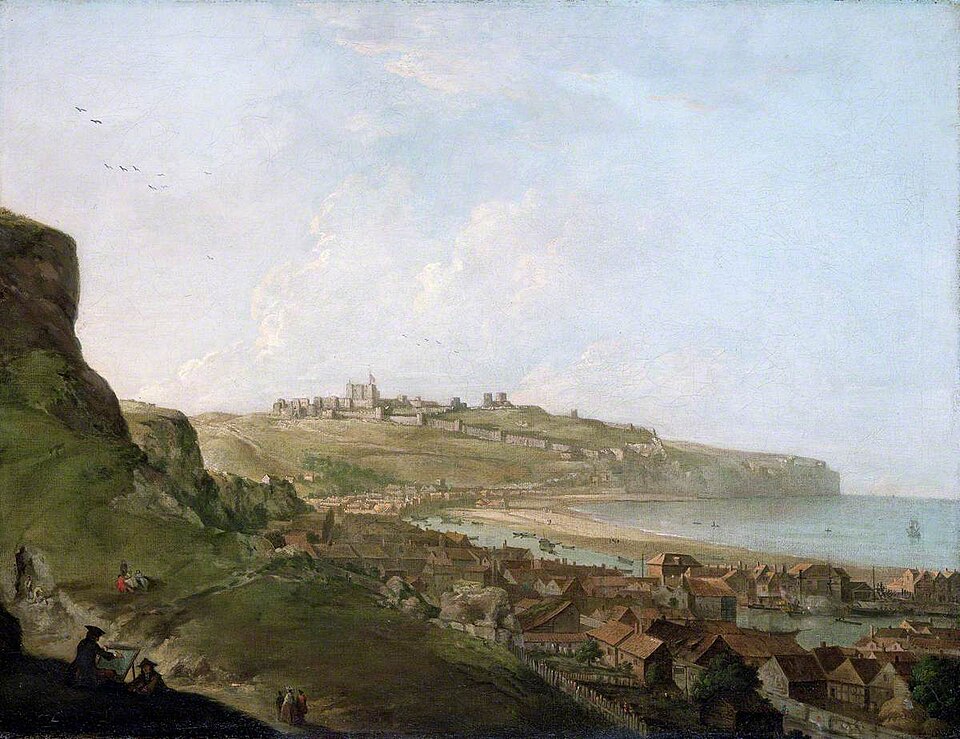
The Siege of Dover Castle
Prince Louis’s forces began their assault on Dover Castle in earnest in July 1216, deploying siege engines including a trebuchet, believed to be the first recorded use of such a weapon on English soil, to batter the castle’s formidable stone defenses across weeks of sustained bombardment. Louis’s engineers concentrated their efforts on the northern barbican and gatehouse, recognizing that a direct assault on the towering Norman keep itself would prove far costlier than exploiting the comparatively vulnerable outer approach, and eventually undermining the fortifications with tunneling operations that brought down a section of the outer gate defenses. The resulting breach opened a gap in the castle’s defenses that briefly threatened to end the siege in the besiegers’ favor, with French and rebel soldiers pressing forward through the collapsed masonry in an assault that came closer than any other moment in the siege to delivering Louis the fortress outright. Hubert de Burgh’s garrison responded with desperate improvisation, using timber and whatever materials came to hand to block the breach and repel the attackers who poured through the gap, fighting at close quarters in the rubble-strewn gateway to prevent Louis’s forces from exploiting the collapsed defenses before repairs could be completed under fire. The defenders’ ability to hold that breached gate, rather than the strength of the castle’s walls alone, became the single decisive factor separating a successful defense from the fall of the last major royal stronghold in southeastern England.
The fighting around the breached gatehouse proved so fierce and costly for both sides that by October 1216, with winter approaching and neither side able to force a decisive resolution, Louis agreed to a truce that lifted the immediate siege, though the underlying conflict remained entirely unresolved and both commanders understood the reprieve was temporary. The anonymous chronicler behind the contemporary “Histoire des Ducs de Normandie et des Rois d’Angleterre,” believed to have traveled with or drawn directly on eyewitnesses attached to Louis’s own army, later provided one of the most detailed surviving accounts of the fighting, capturing both the desperation of the defenders and the frustration of a besieging force that could not break through despite deploying the most advanced siege technology available anywhere in England at the time.
Louis returned to renew the siege in May 1217, again pressing the attack against Dover’s battered but still-standing defenses, only to abandon the effort abruptly upon receiving news that royalist forces had won a decisive victory over rebel and French troops at the Battle of Lincoln that same month, a defeat that shattered the momentum his cause had depended on. That second withdrawal effectively ended any realistic hope Louis retained of securing the English crown through military force, and Dover Castle, having twice denied him the fortress he needed to secure his position in the southeast and control the Channel crossing back to France, emerged as the linchpin whose survival had bought the young king’s regency the time it needed to rally royalist support elsewhere in the kingdom.
The Legacy of Dover Castle
Dover’s successful defense against two sieges proved decisive in preserving Henry III’s claim to the throne, and Louis formally renounced his English ambitions under the Treaty of Lambeth in September 1217, ending the conflict later known as the First Barons’ War. The siege permanently reshaped the castle’s own defenses, as the breached northern gatehouse was deliberately blocked and abandoned in favor of a new fortified entrance protected by additional towers, an architectural response to the vulnerability Louis’s engineers had so nearly exploited. Historians have since pointed to Dover’s endurance as one of the clearest examples in medieval English history of a single fortress determining the outcome of a dynastic struggle, since Louis’s inability to secure a base on the Kent coast deprived his continental supporters of the secure supply line his campaign urgently needed. The episode also cemented Hubert de Burgh’s reputation as one of the most capable royal servants of his generation, a standing that carried him to even greater influence over the young king’s government in the years that followed the siege’s end.
Visiting Dover Castle Today
Dover Castle survives today as one of England’s largest and most visited historic sites, managed by English Heritage with paid admission covering the Great Tower, the medieval ramparts, and the outer defenses that withstood Prince Louis’s two sieges eight centuries ago. The Great Tower has been refurbished to recreate the court of King Henry II, Henry III’s grandfather, with interactive displays throughout its restored chambers giving visitors a sense of how the fortress functioned as both a royal residence and a military stronghold in the years before the 1216-17 sieges. Visitors can walk the same ramparts and outer curtain walls that Hubert de Burgh’s garrison defended, tracing the line of the medieval defenses from the clifftop vantage point that made Dover such a formidable obstacle to any army approaching from the Channel. The site also preserves the separate, more famous Secret Wartime Tunnels beneath the castle, an extensive network dating primarily from the Second World War, alongside Roman and Anglo-Saxon remains that speak to Dover’s much longer history as a strategic strongpoint guarding England’s narrowest sea crossing.
English Heritage recommends setting aside at least half a day for a visit given the site’s scale, and visitors should expect considerable walking across uneven ground and steep hills connecting the castle’s various levels and outbuildings. The commanding position that made Dover Castle so valuable to medieval defenders still rewards modern visitors, whose walk along the ramparts offers sweeping views across the white cliffs and the English Channel beyond, a vista that has changed remarkably little in the eight centuries since Louis’s trebuchets first opened fire on the walls below.
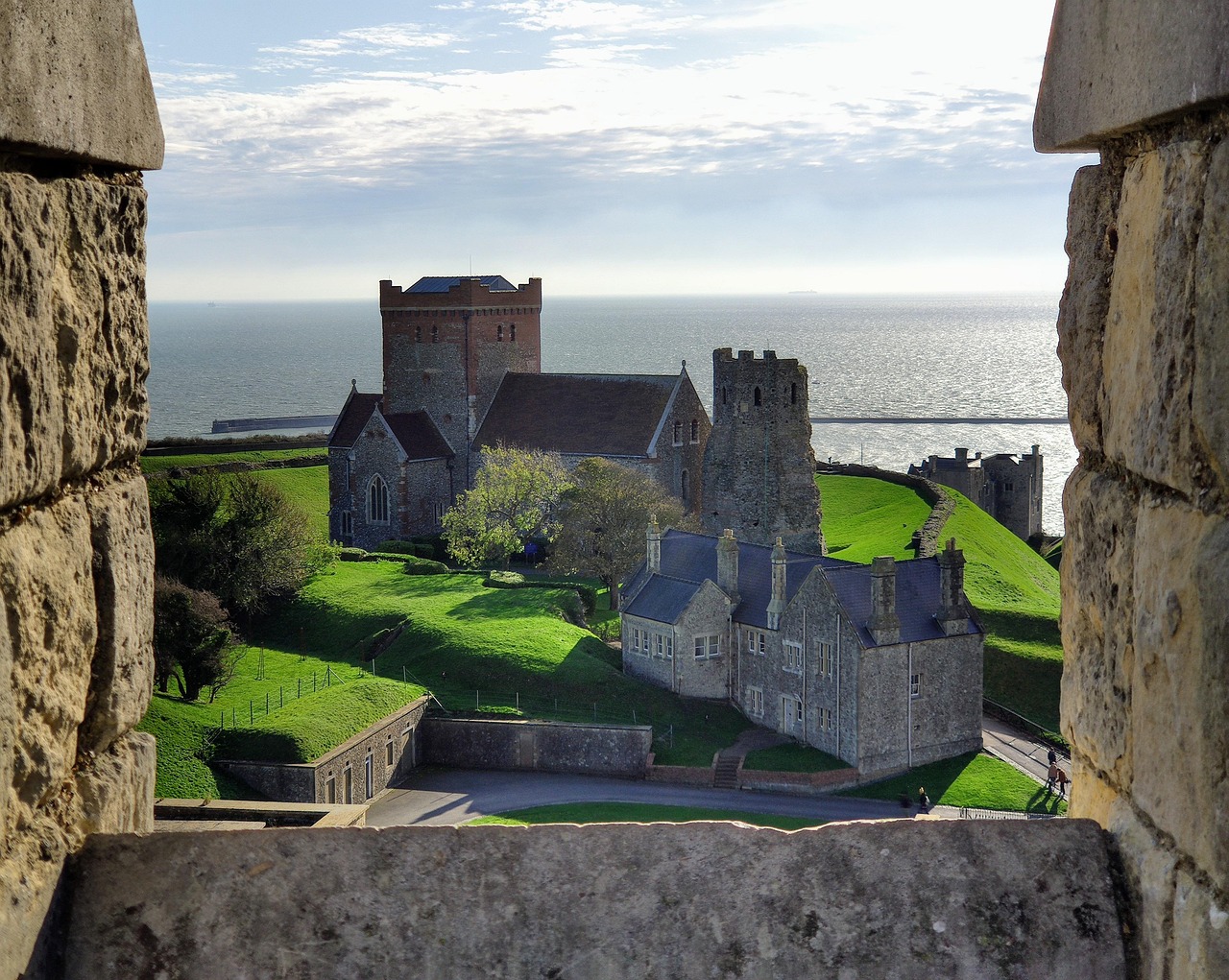
Remembrance of Dover Castle
English Heritage’s own historical account, drawn from surviving medieval records, credits Hubert de Burgh’s personal leadership and his refusal to surrender under sustained pressure as decisive factors in the garrison’s survival through two separate sieges. Contemporary military historians writing for De Re Militari have examined Prince Louis’s tactical decisions in detail, noting his innovative use of a trebuchet and mining operations against the northern gatehouse as evidence of the siege’s technical sophistication relative to earlier medieval warfare in England. The anonymous chronicler of the “Histoire des Ducs de Normandie et des Rois d’Angleterre,” writing from close proximity to Louis’s own camp, preserved a French perspective on the siege that balances the English accounts of heroic defense with an unusually detailed record of the besieging army’s frustration and eventual withdrawal. Together, these sources, an English institutional history, modern military-historical analysis, and a contemporary French-language chronicle, allow historians to reconstruct the 1216-17 sieges from both sides of the walls, preserving the memory of a fortress whose survival helped determine whether a nine-year-old boy would keep the crown that had so suddenly become his.
Visitor Info: Dover Castle (English Heritage)
Location: Dover Castle, Castle Hill Road, Dover, Kent, CT16 1HU, England, United Kingdom
Site Status: National Park/Managed Historic Site
Visitation Notes: Dover Castle is one of England’s largest and most-visited castles, run by English Heritage with paid admission. Visitors can explore the Great Tower, refurbished to recreate King Henry II’s court with interactive displays, and walk the medieval ramparts and outer defenses that withstood Prince Louis’s two sieges. The site also includes the separate, more famous WWII-era Secret Wartime Tunnels beneath the castle, plus Roman and Anglo-Saxon remains. Plan for at least half a day; expect considerable walking and steep hills.
Google Map
Visitor Comments
A visitor named deniscroissant loved the castle’s vast grounds and the many layers of history on display, from medieval through WWII, plus the sweeping coastal views. Their practical tip: take the local bus rather than the long, steep uphill walk from town.
— from TripAdvisor
A visitor named alienaylings gave a more mixed take: found the staff friendly, but felt the Great Tower’s interior displays were dimly lit and hard to appreciate, and wished for more interpretive information throughout the room displays.
— from TripAdvisor
A visitor named 228riannem had a very positive visit, noting that English Heritage membership offers great value for a family trip, enjoyed the circular walking route through the tunnels, and recommended relaxing at the picnic benches for the views.
— from TripAdvisor
A visitor named jm0962 said their family enjoyed the military history exhibits enormously, but criticized the tower cafe for slow service and limited food available by mid-afternoon, advising visitors to bring a picnic instead.
— from TripAdvisor