Tecumseh was hundreds of miles to the south that autumn, working to recruit tribes into a pan-Indian confederacy, and had left his brother Tenskwatawa with explicit instructions to avoid any confrontation with the approaching American army until he returned. Tenskwatawa broke that instruction anyway, authorizing a predawn assault on General William Henry Harrison’s camp that ended in a bloody repulse, the destruction of the confederacy’s capital, and a political legend for Harrison that would carry him to the presidency nearly thirty years later. The battle Tecumseh had worked for years to avoid became, in his absence, the very event that broke the movement he had spent those years building.
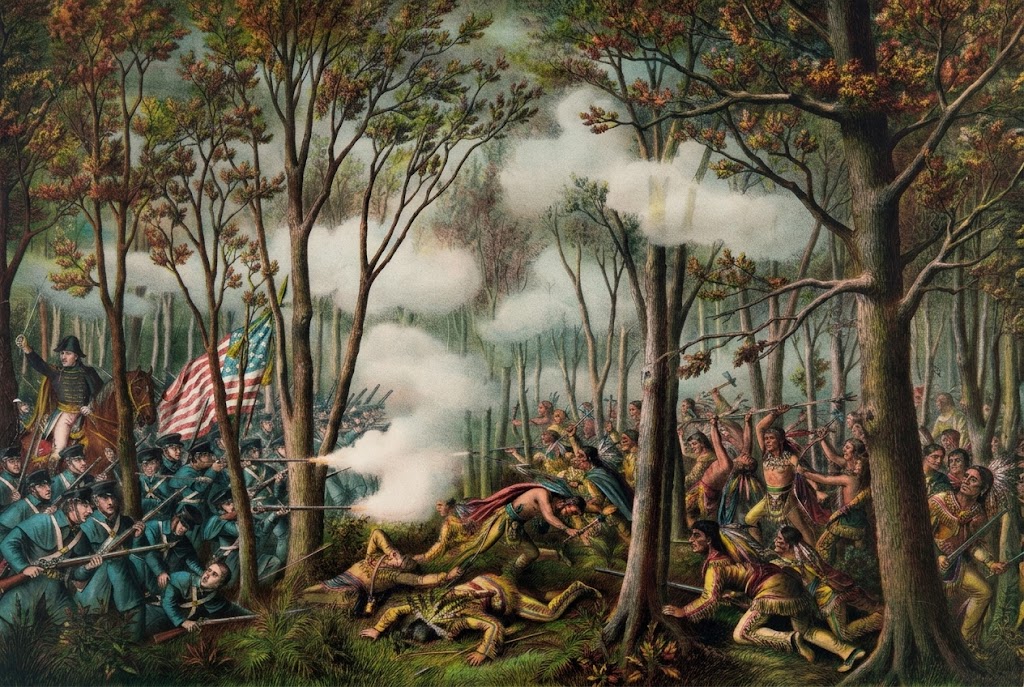
Tippecanoe: The Road to Battle
By 1811, the Shawnee leader Tecumseh and his brother Tenskwatawa, known widely as “the Prophet,” had built a confederacy of Native peoples at Prophetstown, a settlement near the confluence of the Tippecanoe and Wabash Rivers in the Indiana Territory, aimed at resisting further American encroachment on tribal lands. William Henry Harrison, governor of the Indiana Territory, viewed the growing confederacy as a direct threat to the region’s security and to the land-cession treaties he had negotiated, and by the fall of 1811 he had assembled a force of roughly 1,000 regulars, militia, and mounted dragoons to march on Prophetstown while Tecumseh was away recruiting allies among tribes to the south. Harrison’s army advanced up the Wabash valley through October and into early November, and on November 6 the column arrived within sight of Prophetstown, where representatives of Tenskwatawa met Harrison’s officers and negotiated an agreement to hold a peace council the following day rather than fight immediately.
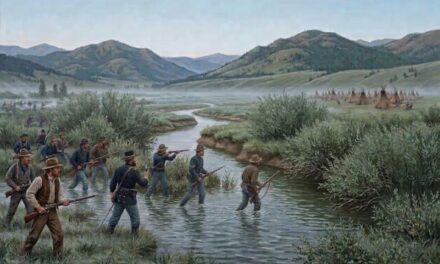
Trusting that arrangement, Harrison made camp for the night on a wooded rise above Burnett’s Creek, roughly a mile from Prophetstown, and his men bedded down without constructing fortifications, believing a council rather than combat awaited them at daybreak. Tenskwatawa, however, had grown convinced by his own spiritual visions that his warriors could strike Harrison’s camp with impunity, and despite his brother’s standing order to avoid a fight, he authorized a predawn attack, reportedly promising his men that his rituals would render Harrison’s bullets harmless and turn half the American soldiers to stone. Word of the impending attack reached the Prophet’s camp through complex and disputed internal politics among the confederacy’s constituent tribes, and by the early hours of November 7 several hundred warriors, drawn from Shawnee, Kickapoo, Winnebago, Potawatomi, and other allied groups, had moved into position around the sleeping American camp, waiting for a signal to begin the assault before Harrison’s council could ever take place.
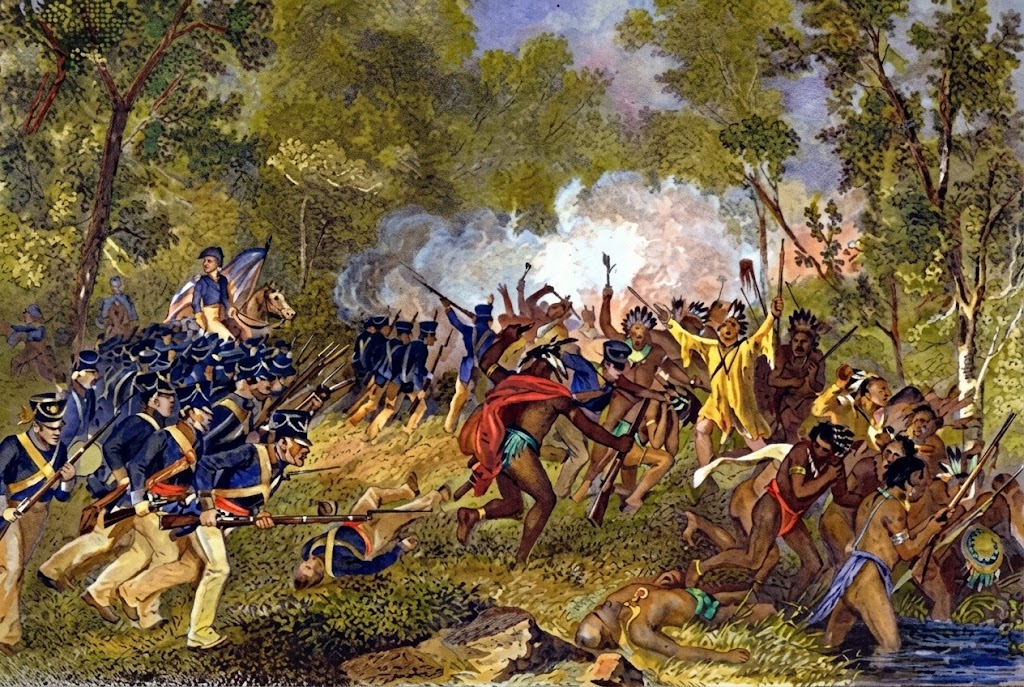
The Battle of Tippecanoe
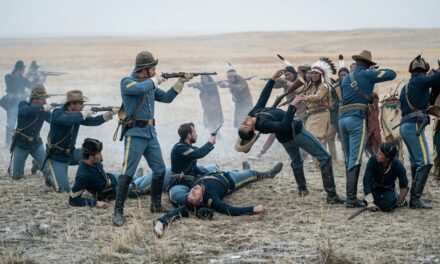
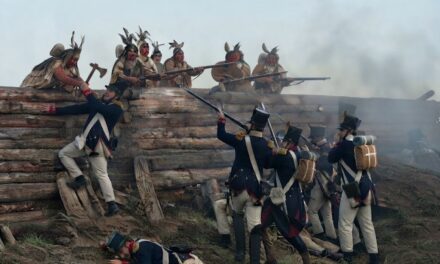
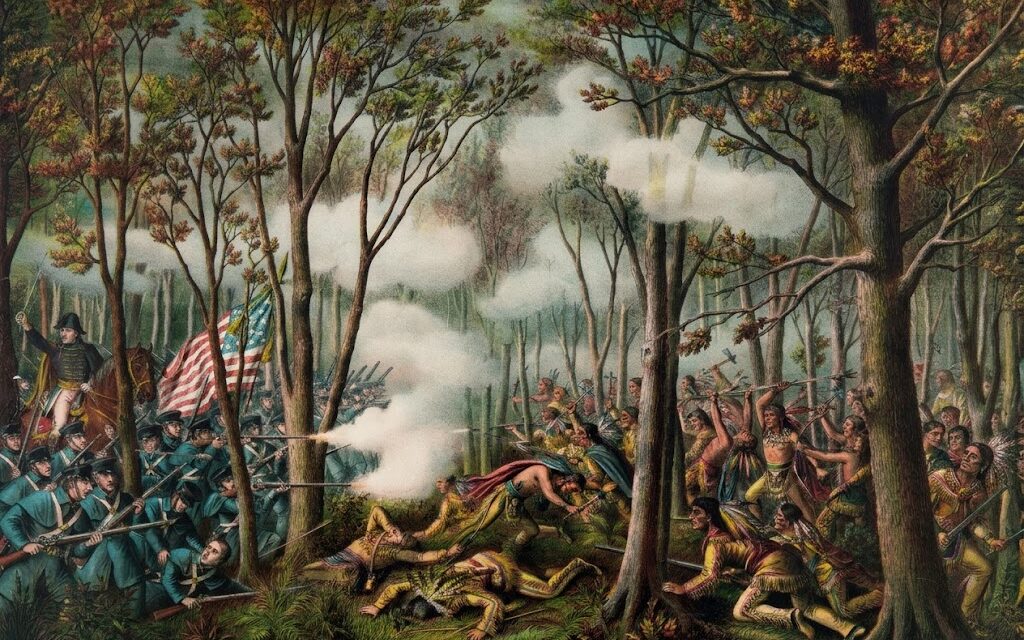
The attack began in the predawn darkness of November 7, 1811, when warriors surged toward the American camp’s perimeter, and a sentry’s shot alerted Harrison’s men just in time to prevent the assault from overrunning the camp outright while soldiers were still asleep in their bedrolls, still wearing their boots against the cold rather than fully undressed for the night. Fighting erupted along the camp’s edges in near-total darkness, with soldiers firing at muzzle flashes and shadows as warriors pressed close against the American lines, and the confused, close-quarters nature of the combat produced heavy casualties on both sides within the engagement’s opening minutes, campfires left burning through the night outlining the American position clearly enough that soldiers standing near them made easy targets until Harrison ordered the fires doused.
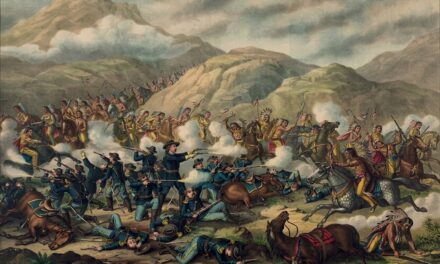
Harrison, roused from his tent and mounted quickly in the chaos, rode along the lines directing his officers to plug gaps as they opened, and Colonel Joseph Hamilton Daveiss, a militia cavalry officer and former U.S. Attorney for Kentucky, was mortally wounded leading a dragoon charge meant to clear warriors from a stand of trees threatening the American flank, a charge Daveiss had reportedly requested permission to lead not once but twice before Harrison granted it. Captain Spencer, commanding a company of mounted riflemen, was also killed in the fighting after being wounded twice and continuing to direct his men from the ground until a third shot killed him, one of several officers whose deaths Harrison detailed in his official dispatch to the Secretary of War in the battle’s aftermath. As dawn broke and visibility improved, Harrison’s more disciplined formations and superior numbers began to tell, and coordinated charges by regulars and militia gradually pushed the confederacy’s warriors back from the camp’s perimeter and into the surrounding marshland and timber bordering Burnett’s Creek, denying them the cover of darkness that had made the initial assault so dangerous. The fighting lasted roughly two hours in total, and as it became clear that Tenskwatawa’s promised spiritual protection had failed to materialize, with warriors falling to American gunfire despite his assurances that the bullets would prove harmless, the attacking force’s cohesion broke down and the warriors began withdrawing from the field, abandoning the fight rather than pressing a renewed assault against Harrison’s now-alerted and organized lines.
Harrison’s casualties numbered around 60 killed and more than 100 wounded out of his roughly 1,000-man force, a toll that shocked observers given the army’s numerical and material advantages, while confederacy losses, though harder to establish precisely given how many wounded warriors were carried from the field by their retreating comrades, are generally estimated in a similar range among the several hundred warriors engaged. Rather than pursuing the retreating warriors immediately, Harrison held his position through the day to tend the wounded and bury the dead in shallow graves disguised with campfires lit above them to prevent the bodies from being discovered and mutilated, and on November 8 his troops advanced to Prophetstown itself, finding it abandoned by its remaining inhabitants, and burned the settlement along with its stores of food and ammunition to the ground before withdrawing his army back down the Wabash valley toward Vincennes, the campaign’s stated objective of breaking the confederacy’s central stronghold accomplished even as the battle that preceded it had never been part of Harrison’s original plan.
The Legacy of Tippecanoe
The destruction of Prophetstown dealt a severe blow to the pan-Indian confederacy’s prestige and cohesion, undermining Tenskwatawa’s spiritual authority after his promises of protection proved false and complicating the broader resistance movement Tecumseh had worked for years to build. Tecumseh returned from his southern recruiting journey to find his life’s project in ruins and his brother’s authority shattered, and within a year he allied his remaining forces with the British in the War of 1812, a partnership that continued the armed resistance his brother’s premature battle had first provoked, before Tecumseh himself was killed in 1813 at the Battle of the Thames. For Harrison, by contrast, the battle became a defining political asset that he leaned on for the rest of his public life, later immortalized in the 1840 presidential campaign slogan “Tippecanoe and Tyler Too,” which helped carry him into the White House.
Visiting Tippecanoe Today
Tippecanoe Battlefield Park operates today as a National Historic Landmark managed by the Tippecanoe County Historical Association, centered on an 85-foot marble obelisk monument set among mature oak trees across 96 acres of preserved park grounds. An on-site museum offers an orientation film and battle-action exhibits recounting the predawn assault and its aftermath, while the adjacent Wah-ba-shik-a Nature Center and a network of walking trails let visitors explore the wooded terrain much as it would have appeared to Harrison’s soldiers and Tenskwatawa’s warriors on the night of the attack. The museum keeps seasonal hours and charges a modest admission fee, while the park grounds and monument themselves remain free and open daily from dawn to dusk, and visitors are encouraged to check the historical association’s website for current museum hours before planning a visit.
The site sits just a few miles north of Lafayette and West Lafayette, Indiana, making it an easily accessible stop for visitors already in the area or passing through on a longer Midwest itinerary, with a typical visit to the museum and monument running roughly 45 to 90 minutes, longer for those who add the nature trails to their walk. The monument itself, rising above the tree line on the same rise where Harrison’s men camped that November night, offers a quiet, contemplative counterpoint to the chaotic close-quarters fighting that once swept across the surrounding ground in the darkness before dawn, and the surrounding parkland’s oaks and open lawns give little outward hint of the battle lines and burial pits that once occupied the same ground. Visitors touring the museum’s orientation film and battle-action exhibits can then walk the grounds themselves to trace the rough perimeter Harrison’s men defended, before continuing on to the nature center for a broader sense of the wooded creek-bottom terrain that shaped the fighting on both sides.
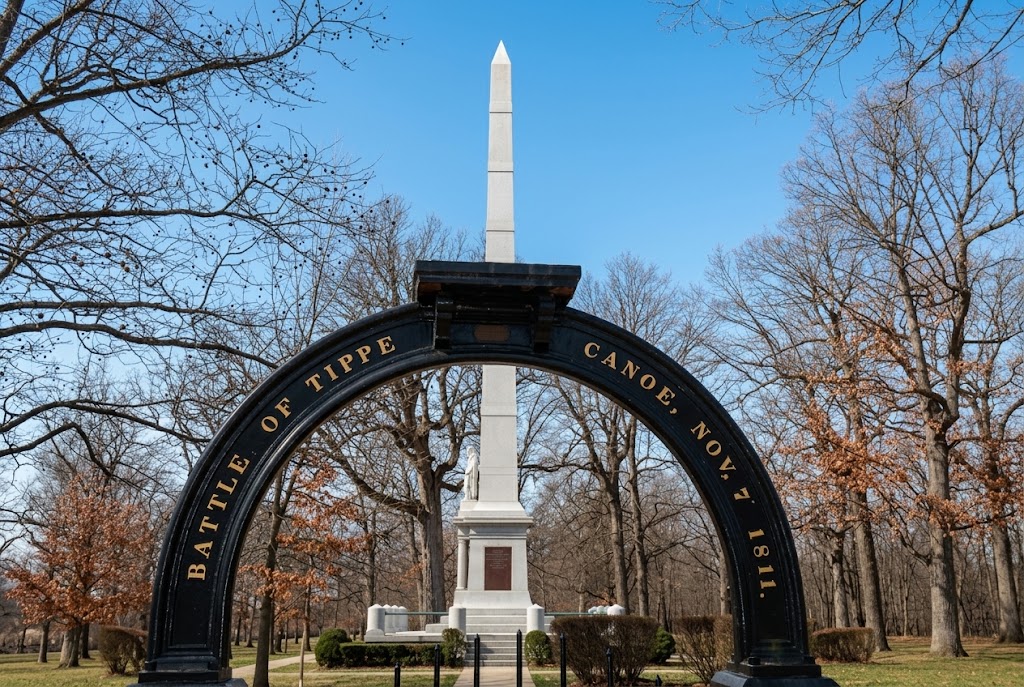
Remembrance of Tippecanoe
General William Henry Harrison detailed the battle and its officer casualties, including the death of Captain Spencer, in an official dispatch to Secretary of War William Eustis dated November 18, 1811, a report later reprinted widely in his collected papers and messages to government officials. The death of Colonel Joseph Hamilton Daveiss, the militia cavalry officer killed leading a dragoon charge against warriors threatening the American flank, is separately documented in period correspondence preserved among the James Madison Papers. Tenskwatawa himself offered a rare directly attributed account from the confederacy’s side years later, telling Michigan Governor Lewis Cass in 1816 that he had not personally ordered the attack, a claim recorded in period U.S. official correspondence and long cited in standard histories of the battle. Taken together, these accounts, an American general’s formal casualty report, a fallen officer’s story preserved in a founding-era statesman’s papers, and the confederacy leader’s own later disavowal of responsibility, frame Tippecanoe from both sides of a battle whose outcome neither side had fully intended when the sun set on Prophetstown the night before.
Further Exploration: Tippecanoe Battlefield Museum (Tippecanoe County Historical Association)
Location: Tippecanoe Battlefield Park & Museum, 200 Battle Ground Avenue, Battle Ground, Indiana
Site Status: National Park/Managed Historic Site
Visitation Notes: Tippecanoe Battlefield Park is a National Historic Landmark managed by the Tippecanoe County Historical Association, with an 85-foot marble monument on 96 acres, an on-site museum featuring an orientation film and battle-action exhibits, the Wah-ba-shik-a Nature Center, and walking trails. The museum keeps seasonal hours and charges a modest admission; park grounds and the monument are free and open dawn to dusk daily — check tippecanoehistory.org for current hours before visiting. The site sits a few miles north of Lafayette and West Lafayette, Indiana; a typical visit runs 45–90 minutes for the museum and monument, longer with the nature trails.
Google Map
Visitor Comments
A visitor named picamp called it a great place to learn about the Battle of Tippecanoe, praising the well-kept grounds and knowledgeable staff.
— from TripAdvisor
Paula S found the park and museum well kept and informative, singling out the self-guided orientation film and helpful staff.
— from TripAdvisor
sbmiller0508 called it a lovely spot and specifically recommended checking out the Wah-ba-shik-a Nature Center alongside the museum.
— from TripAdvisor
A visitor named Taylor B reflected that Tippecanoe isn’t as well known as Gettysburg or Vicksburg, but noted its own place in history, connecting the battle to Harrison’s later political legacy.
— from TripAdvisor