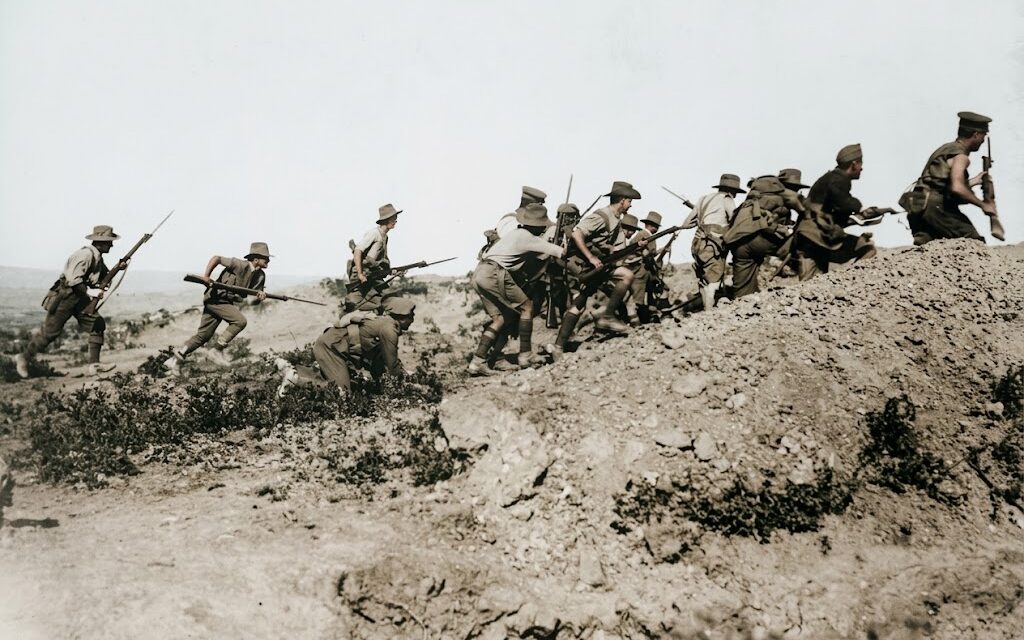
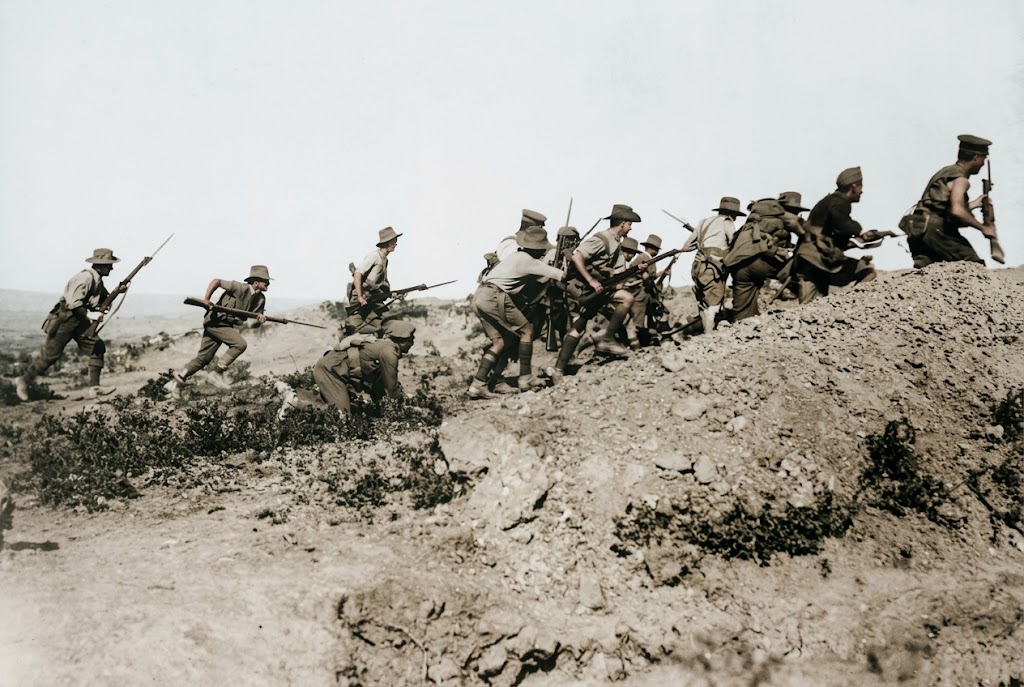
At dawn on April 25, 1915, thousands of young soldiers from Australia and New Zealand waded ashore onto a narrow, unfamiliar beach on the Gallipoli Peninsula, most of them experiencing combat for the first time in their lives. Within hours, an Ottoman officer named Mustafa Kemal would give an order that helped seal both their fate and his own: not simply to hold the high ground above them, but to die trying. Neither the ANZAC legend nor Kemal’s own extraordinary rise to power would exist in the form the world remembers without that single morning.
Gallipoli: The Road to Battle
By early 1915, the First World War on the Western Front had bogged down into deadly trench stalemate, and Winston Churchill, then First Lord of the Admiralty, championed a bold alternative: force the Dardanelles strait with naval power alone, knock the Ottoman Empire out of the war, and open a supply route to Russia through the Black Sea. The initial naval assault in March 1915 failed badly, with several Allied battleships sunk or crippled by Ottoman mines and shore batteries, and rather than abandon the campaign, Allied commanders shifted to a full amphibious invasion of the Gallipoli Peninsula, a decision that gave the Ottoman defenders weeks of advance warning to fortify the very beaches the Allies intended to land on.
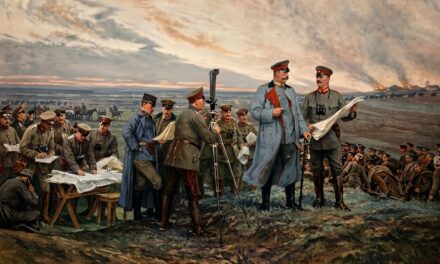
The invasion force that assembled for the landing included British, French, and Indian troops alongside the newly formed Australian and New Zealand Army Corps, soldiers who would soon become known simply as ANZACs, most of them volunteers from countries with little prior experience fighting as independent national forces in a major European war. Ottoman commanders, including German advisors overseeing the broader defense, had used the delay since the failed naval assault to entrench along the high ground overlooking the likely landing beaches, setting the stage for an invasion force to come ashore directly beneath prepared defensive positions rather than catching the Ottoman army by surprise.
The Landing at ANZAC Cove
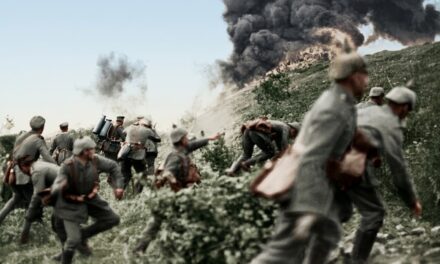
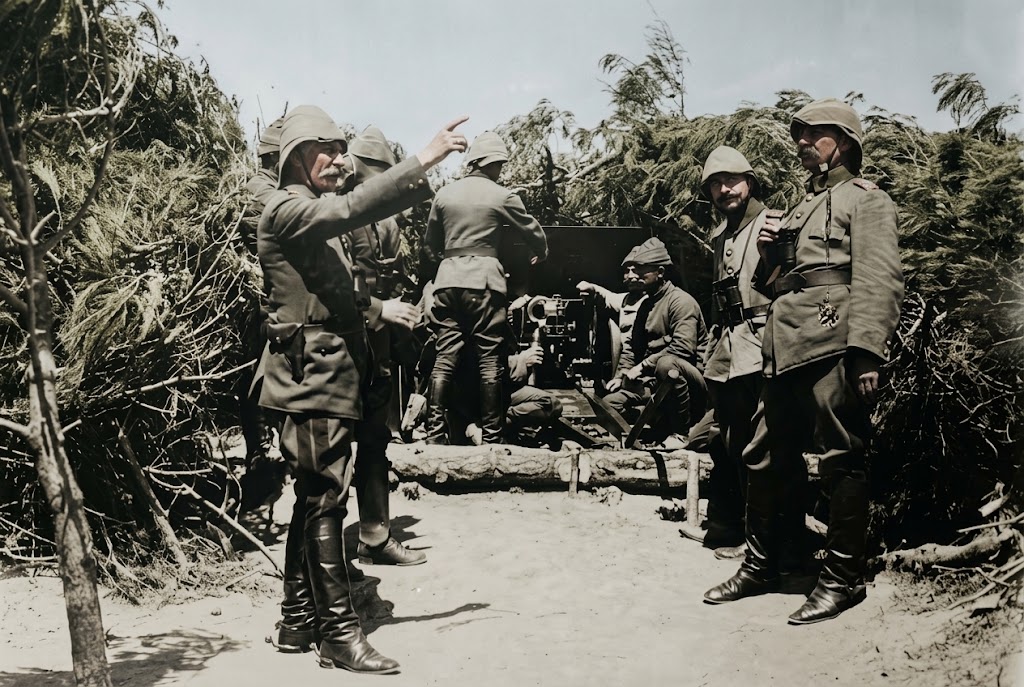
On the morning of April 25, 1915, ANZAC troops landed at what would become known as ANZAC Cove, a narrow strip of beach considerably smaller and more exposed than the intended landing site, backed almost immediately by steep, difficult terrain that offered the Ottoman defenders commanding views of the beach below. Mustafa Kemal, then a lieutenant colonel commanding the Ottoman 19th Division, recognized the strategic importance of the high ground above the cove within hours of the landing and rushed his troops to secure it before the advancing ANZACs could establish themselves there, reportedly telling one retreating unit that he was not ordering them to attack, but ordering them to die, buying his reinforcements the time they needed to arrive.
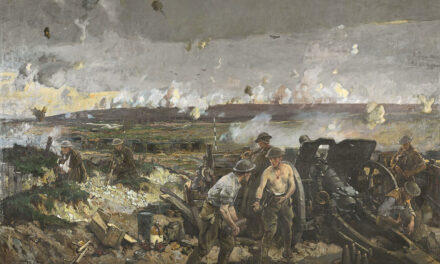
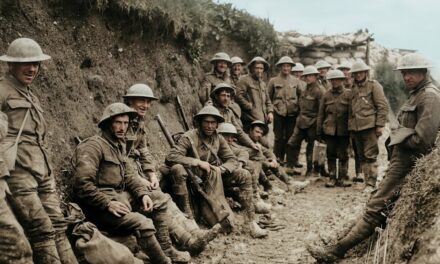
Kemal’s defense held the high ground and effectively pinned the ANZAC forces to a cramped, exposed beachhead for the remainder of the campaign, and what had been planned as a rapid advance inland collapsed within its first day into a grinding stalemate that would last eight months, with both sides digging trench lines eerily reminiscent of the Western Front stalemate the entire Dardanelles operation had been conceived to bypass. Fighting raged across sites that would become permanently associated with the campaign, including Lone Pine and Chunuk Bair, as repeated Allied assaults failed to break the Ottoman defensive lines, and by the time Allied forces finally evacuated the peninsula in December 1915 and January 1916, the campaign had produced roughly a quarter million casualties on each side without achieving any of its original strategic objectives.
The Legacy of Gallipoli
The campaign’s failure carried real political consequences at home: Winston Churchill became the primary political scapegoat for the disaster despite not bearing sole responsibility for the decision to invade, resigning from government in November 1915 and taking a modest infantry command on the Western Front while he spent years rebuilding a political career from what he later called his own personal wilderness. For Mustafa Kemal, by contrast, Gallipoli marked the beginning of a rise that would reshape an entire nation, and his defense of the peninsula’s high ground established the reputation that carried him, within less than a decade, to found the modern Republic of Turkey as its first president under the name Ataturk. For Australia and New Zealand, neither of which had fought as an independent national force in a major war before 1915, the campaign forged a foundational national identity built around the ANZAC legend, commemorated every April 25 in ceremonies held both at Gallipoli itself and across both countries. Few places anywhere have turned a military defeat so completely into a story of national character — for two young nations on one side of the line, and for the officer who would go on to found a republic on the other.
Visiting Gallipoli Peninsula Historical National Park Today
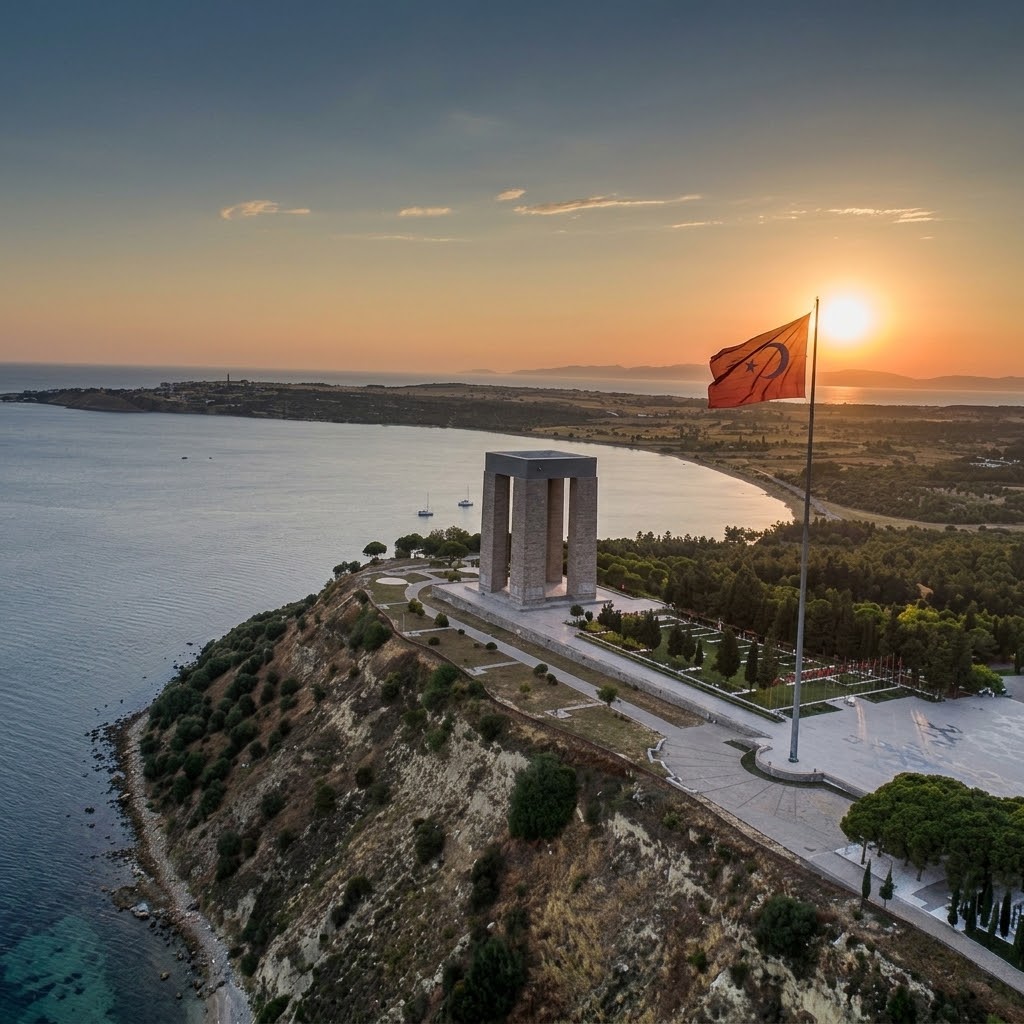
The Gallipoli Peninsula Historical National Park is a UNESCO-listed, government-managed site covering more than 33,000 hectares, administered by Turkey’s Canakkale Wars and Gallipoli Historic Region Directorate, and entry to the park is free. The site includes ANZAC Cove itself, along with Lone Pine, Chunuk Bair, and dozens of cemeteries containing more than 23,000 individually marked graves, connected by a two-kilometer ANZAC Walk linking eleven key locations across the battlefield, with preserved trench lines in places close enough together to show visitors just how near the opposing sides actually fought.
Most visitors join a guided day tour departing from the nearby towns of Canakkale or Eceabat, a worthwhile choice given how spread out the various sites are across the peninsula and how much historical context a knowledgeable guide can add to what would otherwise be a series of quiet fields and cemeteries. ANZAC Day, observed each April 25, draws large dawn service crowds from Australia and New Zealand and requires significant advance planning to attend, but the park itself remains open and free to visit year-round outside that period.
Remembrance at Gallipoli
Few figures embody the ANZAC legend as completely as Private John Simpson Kirkpatrick, a British-born stretcher bearer serving with the Australian Army Medical Corps who landed at ANZAC Cove on the first day and immediately began using a donkey to carry wounded men down from the fighting in Monash Valley to the beach, working under constant sniper and shrapnel fire. He kept up this daily rescue work for three and a half weeks until he was killed by machine-gun fire on May 19, 1915 while carrying two wounded soldiers, and he remains the single most enduring symbol of ANZAC courage and compassion to this day. Charles Bean, chosen as Australia’s official war correspondent, landed at ANZAC Cove within hours of the first troops and stayed through the entire campaign despite being wounded himself, filling 226 notebooks with firsthand observations that later became a twelve-volume official history written over 23 years, work that did more than any single source to shape the ANZAC legend as Australians and New Zealanders understand it today and whose postwar advocacy led directly to the founding of the Australian War Memorial in 1941.
Visitors today consistently describe Gallipoli as a near-sacred site for Australians and New Zealanders, many with direct family connections to the men who fought there, and note that Turkish authorities maintain the cemeteries and memorials with visible care regardless of which side’s soldiers are buried in them. A widely shared message attributed to Mustafa Kemal from 1934, offering comfort to Anzac mothers and describing the fallen sons of Turkey and the invading nations as equal in Turkish soil, remains genuinely moving and is frequently quoted at memorial services, though historians have found no solid documentary evidence he actually wrote it in the form commonly circulated, so it is best understood as beloved reconciliation folklore rather than a verified historical quotation.
Visitor Info: canakkaletarihialan.gov.tr
Location: ANZAC Cove, Gallipoli Peninsula Historical National Park, Canakkale Province, Turkey
Site Status: National Park / Managed Historic Site
Visitation Notes: The Gallipoli Peninsula Historical National Park is a UNESCO-listed, government-managed site covering over 33,000 hectares, run by Turkey’s Canakkale Wars and Gallipoli Historic Region Directorate. Free to enter, it includes ANZAC Cove, Lone Pine, Chunuk Bair, and dozens of cemeteries with 23,000 individually marked graves, along with the 2-kilometer ANZAC Walk connecting eleven key sites and preserved trench lines close enough in places to show how near the two sides fought. Most visitors come on a guided day tour from Canakkale or Eceabat, which is worth it given how spread out the sites are and how much context a good guide adds. ANZAC Day (April 25) draws large dawn service crowds from Australia and New Zealand and requires advance planning, but the park is open and free year-round otherwise.
Google Map
Visitor Comments
This is a near-sacred site for New Zealanders and Australians says AllanJGJ from Wellington, New Zealand. It was especially moving for me since my grandfather died here in 1915. The Turkish authorities maintain the cemeteries and memorials beautifully, it’s clear they take real care of the site.
— from TripAdvisor
Aaron K found the cove breathtaking, quiet and peaceful, offering a visceral sense of what young men on all sides went through there.
— from Google Reviews
This was a real bucket list item for me says Kerri C of Dubbo, Australia. Seeing the wildflowers growing along the roadside and the remains of the trenches still visible was genuinely surreal, it felt like a fitting way to honor everyone who fought there, on both sides.
— from TripAdvisor
shaneoh1980 from London, United Kingdom says that visiting during the ANZAC Day commemorations is something every Australian or New Zealander should try to do at least once, it’s genuinely surreal in a way words don’t really capture. The hike up to Lone Pine and then Chunuk Bair is unlike anything else I’ve experienced. Strongly recommend it.
— from TripAdvisor