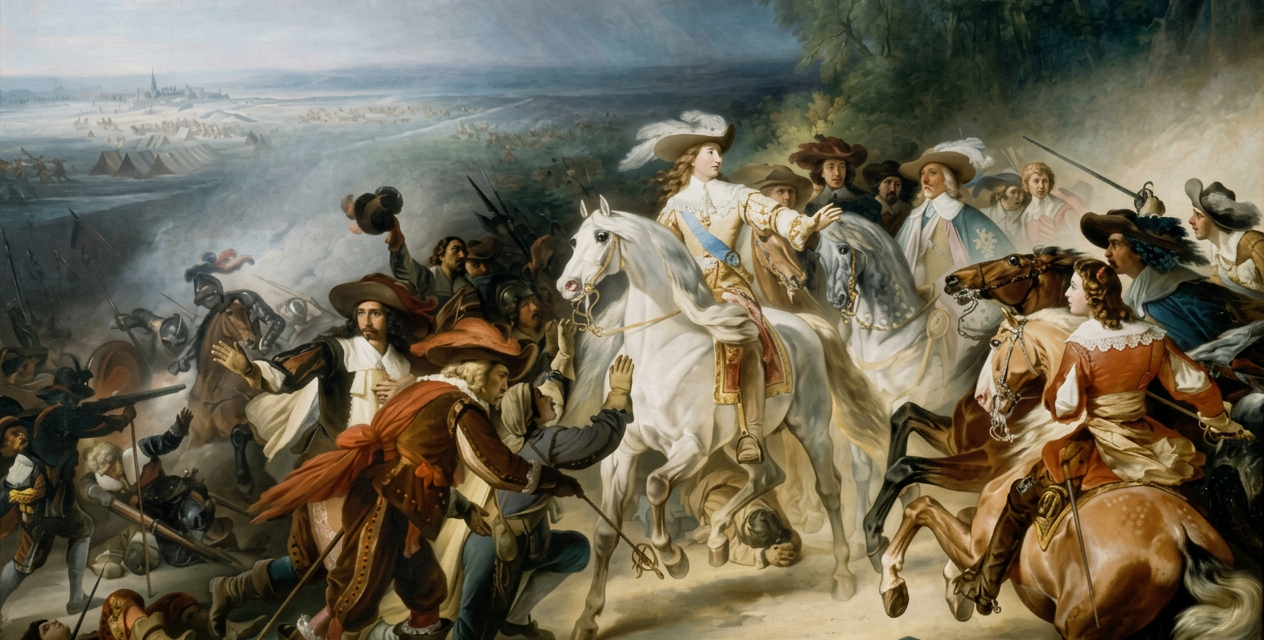
For more than a century, no army in Europe had managed to break a Spanish tercio in open battle — a solid block of pikemen and musketeers that absorbed cavalry charges from the front the way a seawall absorbs waves. At Rocroi, the horsemen simply stopped charging the front. They rode around behind it instead, and for the first time in generations a tercio found itself defending in a direction its formation had never been built for. What had been the most feared infantry in Europe for a hundred years came apart square by square over the course of an afternoon, while the aging Spanish commander directing its last stand refused every chance to leave the field alive.
Rocroi: The Road to Battle
By 1643, the Thirty Years’ War had ground on for a quarter century, drawing in nearly every major power in Europe over disputes that had long since outgrown their original religious origins, and Spain, still the preeminent land power on the continent, saw an opportunity to strike at France while the French crown was in turmoil following the death of King Louis XIII that same month. A Spanish army under Francisco de Melo crossed into French territory and laid siege to the fortress town of Rocroi, in the Ardennes near the Belgian border, threatening to open a path toward Paris itself at a moment when France’s government was distracted by the transition to a child king, the four-year-old Louis XIV, under a contested regency. France’s response fell to a commander barely into adulthood: Louis II de Bourbon, Duke of Enghien, took command of the relief army at just 21 years old, inheriting a force that would have to face down Spain’s tercios, infantry formations whose disciplined blocks of pikemen and musketeers had dominated European battlefields since the early sixteenth century and had never been decisively broken in a set-piece battle.
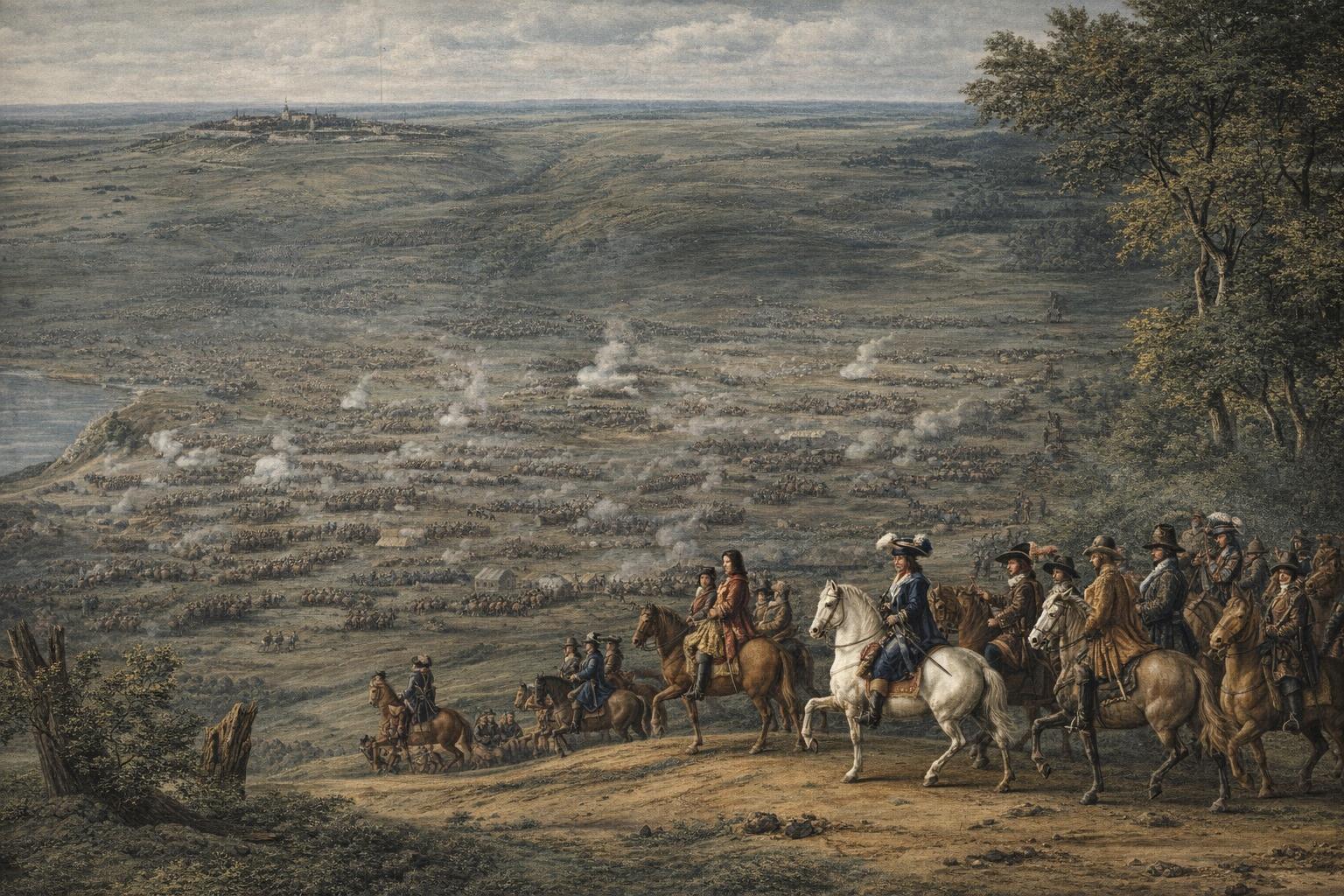
Enghien marched to relieve the siege and arrived to find Melo’s army arrayed in a strong defensive position on ground bordered by marshes and woodland that narrowed the approach and limited how the two armies could maneuver against each other, its flanks anchored by cavalry and its center built around the tercios that had made Spanish infantry the most feared in Europe. Enghien’s own senior officers reportedly urged caution given the terrain and the tercios’ fearsome reputation, but the young duke overruled them. Rather than wait or withdraw, he chose to attack at dawn on May 19, 1643, gambling that speed and aggression could offset the Spanish army’s formidable reputation before Spanish reinforcements under General Jean de Beck could arrive to strengthen Melo’s position further.
The Battle of Rocroi
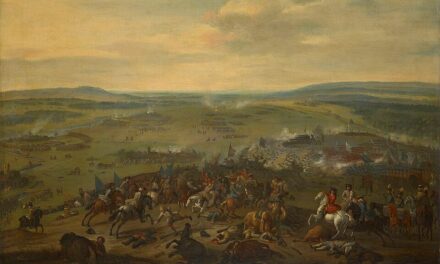
Enghien opened the battle by personally leading French cavalry against the Spanish left flank, breaking it in the initial clash, while on the French right General Jean de Gassion led a supporting cavalry force that also overcame its opposite number after a harder fight in which momentum initially favored the Spanish before Gassion’s squadrons regrouped and turned the tide. With both Spanish cavalry wings routed, Enghien turned his own cavalry inward against the flanks and rear of the Spanish infantry tercios, whose disciplined pike-and-shot formations remained devastating from the front but had never been designed to withstand attack from every direction at once; the tercios’ massed ranks of pikemen, so effective against a frontal cavalry charge, offered little protection once French horsemen appeared behind and beside them. Gassion, meanwhile, pushed a reconnaissance force through woods behind the Spanish position to check for Beck’s approaching relief column and confirm it had not yet arrived, and then located and sacked the Spanish baggage train entirely, cutting the surrounded tercios off from any hope of resupplying the ammunition their muskets would soon run desperately short of. Some tercios attempted brief counterattacks against the encircling French cavalry, and at least one initial French assault on the Spanish center was thrown back with heavy losses before renewed attacks from multiple directions finally overwhelmed the formation’s cohesion.
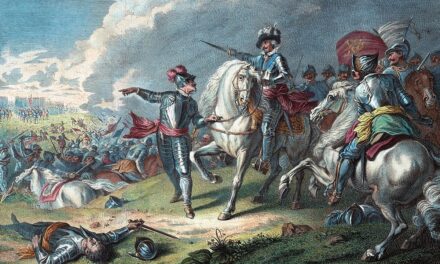
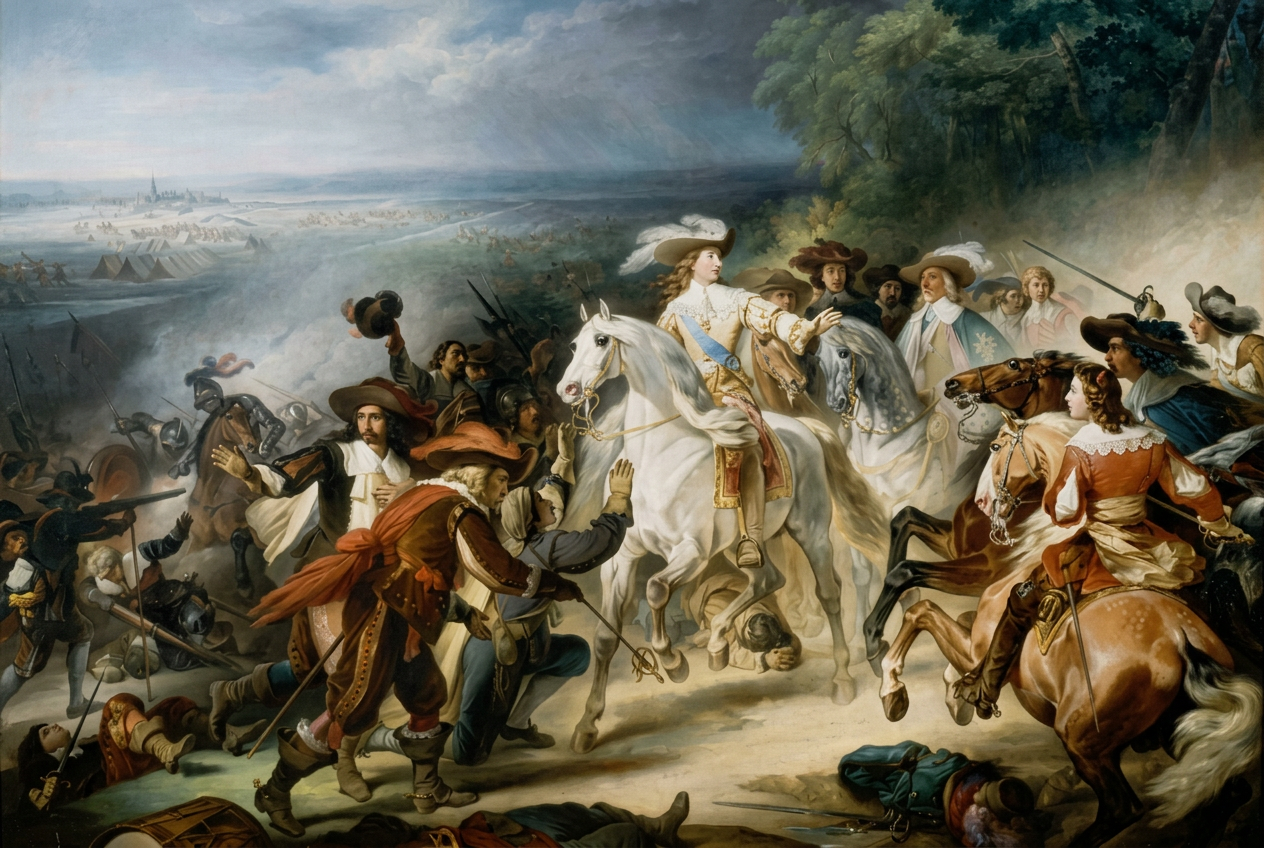
As the encirclement tightened, Francisco de Melo rode frantically between his collapsing wings trying to rally retreating cavalry squadrons, and when the battle’s outcome became unmistakable, he reportedly rode into the ranks of the Italian Visconti tercio declaring he wished to die alongside its gentlemen rather than flee. He ultimately fled the field anyway alongside General Beck, dropping his marshal’s baton somewhere in the retreat. The tercios themselves, denied cavalry support and cut off from resupply, fought on encircled and increasingly desperate; Enghien, hoping to spare further bloodshed once victory was assured, rode forward under a flag of truce to offer the surrounded Spanish infantry terms, wearing a wide-brimmed hat topped with tall white plumes so his own troops could follow his movements across the field. In the confusion, French troops fired on his party by mistake before order was restored and the surrender could proceed. Amid the wreckage of the Spanish center, the elderly Count of Fontaine, too ill to stand and carried onto the field in a chair, directed the defense of the last tercios until French artillery killed him where he sat, one of the last acts of a formation that had entered the battle as the most feared infantry in Europe and left it broken.
The Legacy of Rocroi
Rocroi is remembered by military historians as the battle that broke the myth of Spanish tercio invincibility, a reputation built over more than a century of battlefield dominance across Europe stretching back to the formation’s earliest sixteenth-century victories. While Spain remained a major power for decades afterward and the Thirty Years’ War itself would grind on for five more years until the Peace of Westphalia in 1648, the defeat marked a turning point after which French military strength increasingly eclipsed Spanish arms on the continent, a shift confirmed over the following years as France emerged as Europe’s preeminent land power under Louis XIV. The battle also accelerated broader changes already underway in European warfare, as the coordinated cavalry envelopment that destroyed the tercios at Rocroi previewed tactics that would gradually supersede the massed pike formations that had dominated battlefields since the early Renaissance. Enghien himself, who would later be known to history as the Great Condé, built his reputation as one of the era’s foremost military commanders on the strength of this single battle, won before he turned twenty-two. Military academies still assign Rocroi as the textbook case of coordinated cavalry envelopment — proof that even a hundred-year-old reputation for invincibility can collapse in a single afternoon once an opponent finds the one direction it was never built to defend.
Visiting the Musée de la Bataille de Rocroy Today
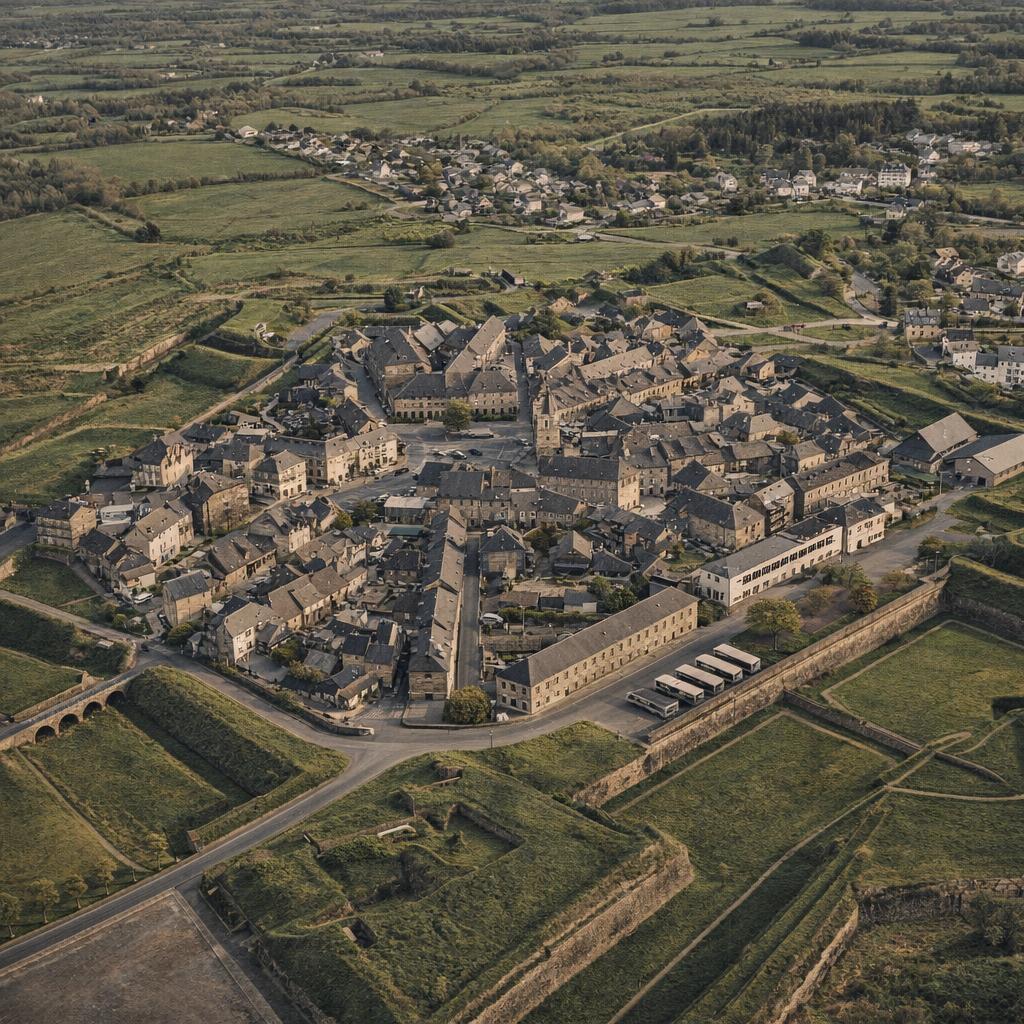
Rocroi today is a small, star-shaped fortified town in the French Ardennes, and its battle history is preserved at the Musée de la Bataille de Rocroy, housed in a restored seventeenth-century guardhouse on the Place du Luxembourg inside the town’s walls. The museum is modest in scale, with exhibits including a detailed lead-soldier diorama of the battle’s troop movements and a relief model of the town’s star-shaped fortifications, and it keeps limited hours that shift by season — typically closed a day or two midweek, with a midday break in the schedule — so visitors are advised to confirm current hours with the local tourist office before planning a trip; groups can also arrange visits outside standard hours through that same office.
The town’s ramparts and bastions, rebuilt in the distinctive star-fort style associated with the military engineer Vauban, are freely walkable year-round and form Rocroi’s main outdoor attraction regardless of the museum’s hours, with a roughly one-hour circuit of the walls and a longer marked hiking loop of about fourteen kilometers through the surrounding countryside, including stretches that pass through old stone tunnels built into the fortifications. The site draws a modest, steady stream of visitors rather than large crowds, and no advance booking is required for a general visit to either the ramparts or the museum during open hours; the town even offers a free municipal stopover for visitors touring the region by camper van, reflecting Rocroi’s low-key, unhurried character as a destination rather than a heavily managed tourist site.
Remembrance at Rocroi
Rocroi’s memory is kept less by grand monuments than by the fortified town itself, whose star-shaped walls, though rebuilt and expanded after the battle in their present form, still trace the outline of the ground fought over in 1643 and give visitors a tangible sense of the terrain even without a dedicated battlefield park. The museum’s small scale and modest visitor numbers reflect Rocroi’s place today as a lesser-known stop on the broader map of European battlefield history, one appreciated more by specialists and travelers already in the Ardennes than by mass tourism, though visitors consistently praise the warmth of the local welcome and the clarity of the lead-soldier diorama in explaining how the encirclement unfolded step by step. The Count of Fontaine’s chair-bound last stand and Enghien’s plumed ride under a flag of truce remain the two images most associated with the battle, capturing both the stubborn discipline of the doomed tercios and the improvisational boldness of the young French commander who broke them, a contrast local guides and the museum’s film both lean on to bring the battle’s human drama to life for visitors who may know little of seventeenth-century warfare before arriving.
Visitor Info: www.ardennes.com
Location: Musée de la Bataille de Rocroy, Place du Luxembourg, 08230 Rocroi, France
Site Status: Preserved Site, Minimal Facilities
Visitation Notes: The Musée de la Bataille de Rocroy occupies a restored 17th-century guardhouse on the Place du Luxembourg, inside the star-shaped fortified town of Rocroi. Exhibits include a detailed lead-soldier diorama of troop movements and a relief model of the town’s Vauban-style fortifications; the museum keeps limited hours that shift by season, typically closed a day or two midweek with a midday break in the schedule; groups can arrange visits outside standard hours through the local tourist office. Current hours are worth confirming with the tourist office before a visit. The star fort’s ramparts and bastions themselves are freely walkable year-round and form the town’s main outdoor attraction, with a roughly one-hour circuit of the walls and a longer marked hiking loop through the surrounding countryside. The site draws a modest, steady stream of visitors rather than large crowds, and no advance booking is required for a general visit.
Google Map
Visitor Comments
Fenschois, visiting from Hayange, France, said the museum’s short film was well done and the recently renovated building made a good impression, even though the exhibit space itself is quite small. They also praised the pleasant, smiling welcome from staff.
— from TripAdvisor
account2018 from Tonga described 300 years of bastioned fortifications beautifully preserved, with walls and chambers still accessible to walk. They highlighted the small battle museum’s toy-soldier dioramas as a highlight for understanding how the 1643 battle unfolded.
— from TripAdvisor
Cyrille L, from France, recommended this small walled town in the Ardennes near the Belgian border as worth the detour, noting it was the site of a famous 17th-century battle and that the star-shaped ramparts are easy to explore in an afternoon.
— from TripAdvisor
Travel writer Mendy Zaal, visiting by camper van, described Rocroi’s star-shaped fortress as a 17th-century masterpiece of military design and enjoyed exploring paths that wind along its walls and through old stone tunnels. They recommended a roughly 14-kilometer hiking loop that combines the fortress ramparts with the surrounding countryside, and noted the town offers a free municipal camper stopover.
— from Tasty Travel Life